




| IN A NUTSHELL |
|
Generative artificial intelligence (AI) is revolutionizing the way music is created and experienced, particularly in the realms of film and video. A recent study conducted by the Neuro-Com Research Group at the Autonomous University of Barcelona, in collaboration with the RTVE Institute in Barcelona and the University of Ljubljana in Slovenia, explores whether AI-generated music can elicit the same emotional responses as music composed by humans. By examining the emotional and physical reactions of listeners to both AI and human-created music, this research aims to uncover the potential of AI in the music industry and its impact on human emotions.
AI Music Hits the Brain, and the Body, Differently
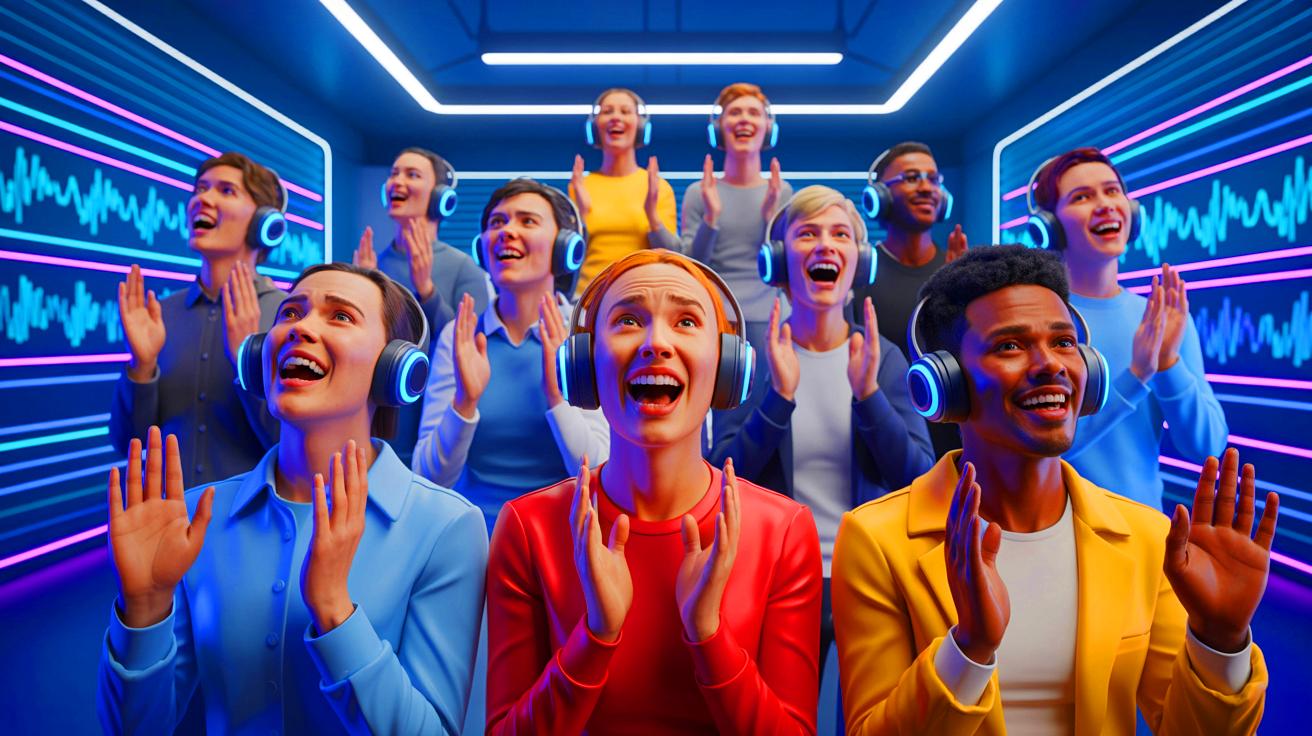
In the study, 88 participants were exposed to videos accompanied by three types of music: human-composed, AI-generated with detailed keyword prompts, and AI-generated with basic emotional prompts. Researchers measured pupil size, blinking patterns, and skin responses to gauge emotional and cognitive reactions. The most striking finding was that AI-generated music, irrespective of the prompt style, led to greater pupil dilation compared to human-composed music. This physiological response indicates emotional arousal, suggesting that AI music has a significant impact on listeners.
Interestingly, music generated with more complex prompts resulted in increased blinking and higher skin impedance readings, signs of heightened attention and mental effort. This implies that while AI music can engage listeners, it may also require more cognitive resources to process. Although both types of AI music elicited stronger excitement, human compositions felt more familiar to the audience, highlighting a potential gap in AI’s ability to capture the nuanced emotional patterns that humans are accustomed to.
Emotional Stimulation Isn’t Enough
Nikolaj Fišer, the lead author of the study, noted that while AI-generated music demonstrates greater emotional stimulation, it also demands more cognitive effort to decode. This finding raises a critical design challenge for content creators who must balance the emotional power of AI-made music with its potential to distract or overwhelm viewers. The additional mental strain induced by AI music may not always be welcome, particularly in settings where audiences are expected to focus on multiple elements simultaneously.
This challenge underscores the need for careful consideration when integrating AI-generated music into audiovisual content. While AI has the capacity to evoke strong emotional responses, it is essential to assess whether the cognitive load is manageable for the audience. Striking the right balance between emotional stimulation and cognitive engagement will be crucial for creators seeking to leverage AI music effectively.
The Role of Prompts: Simple vs. Sophisticated
The study also compared the effects of simple and sophisticated prompts in generating AI music. Tracks created with basic emotional inputs, such as labeling a mood as “happy” or “sad,” produced similar arousing effects as those generated with more complex prompts. This suggests that even rudimentary AI tools can evoke strong emotional responses.
However, the music generated with detailed prompts was associated with higher cognitive involvement, indicating that more intricate prompts can add layers of complexity and nuance. This insight is valuable for creators who may opt for simpler tools to achieve raw excitement, but will need advanced prompts to convey depth and richness in their compositions. The choice of prompting technique will ultimately depend on the desired emotional and cognitive impact of the music.
A Future with Machine-Made Soundtracks
The potential applications of AI-generated music in audiovisual production are vast. By harnessing AI’s ability to stir emotions and capture attention, editors and producers can tailor music to fit scenes with precision and ease. This capability could streamline the process of composing or licensing tracks, allowing for quick generation of music that aligns with the desired emotional tone, whether it be fear, joy, or suspense.
Nevertheless, creators should exercise caution in relying solely on AI-generated music. While AI can match or surpass the emotional stimulation of human-composed music, it may lack the cultural and cognitive familiarity that audiences associate with traditional compositions. This missing element could affect how audiences connect with content on a deeper level. The study raises important questions about the future role of human artists when machines can evoke emotions so effectively. As AI continues to advance, its role in music production will undoubtedly evolve, but it remains to be seen how it will coexist with human creativity.
The study highlights a pivotal moment in the evolution of music, where AI-generated compositions can evoke emotions yet still fall short of capturing the essence of human artistry. As technology advances, will AI eventually bridge the gap and create music that resonates with audiences on a cultural and emotional level? Or will human creativity continue to hold a unique place in the world of music? The future of music production may hinge on the answers to these questions, as we explore the possibilities of AI and its impact on the art form. How will the music industry adapt to this new frontier and what role will human composers play in a world increasingly influenced by AI?