



| IN A NUTSHELL |
|
Meetings have long been a staple of the workplace, but recent findings suggest they may be more of a hindrance than a help. A survey conducted by Software Finder reveals that one in two employees believes nearly half of their meetings are a complete waste of time. This inefficiency isn’t just a minor annoyance; it’s a significant drain on resources, costing the average worker $6,280 annually due to unnecessary meetings. In the tech industry, the impact is even more severe, with employees wasting an average of 169 hours per year, equating to nearly $10,000 per person. As companies grapple with employee burnout and productivity losses, the need to address meeting inefficiency becomes increasingly urgent.
The Cost of Unproductive Meetings
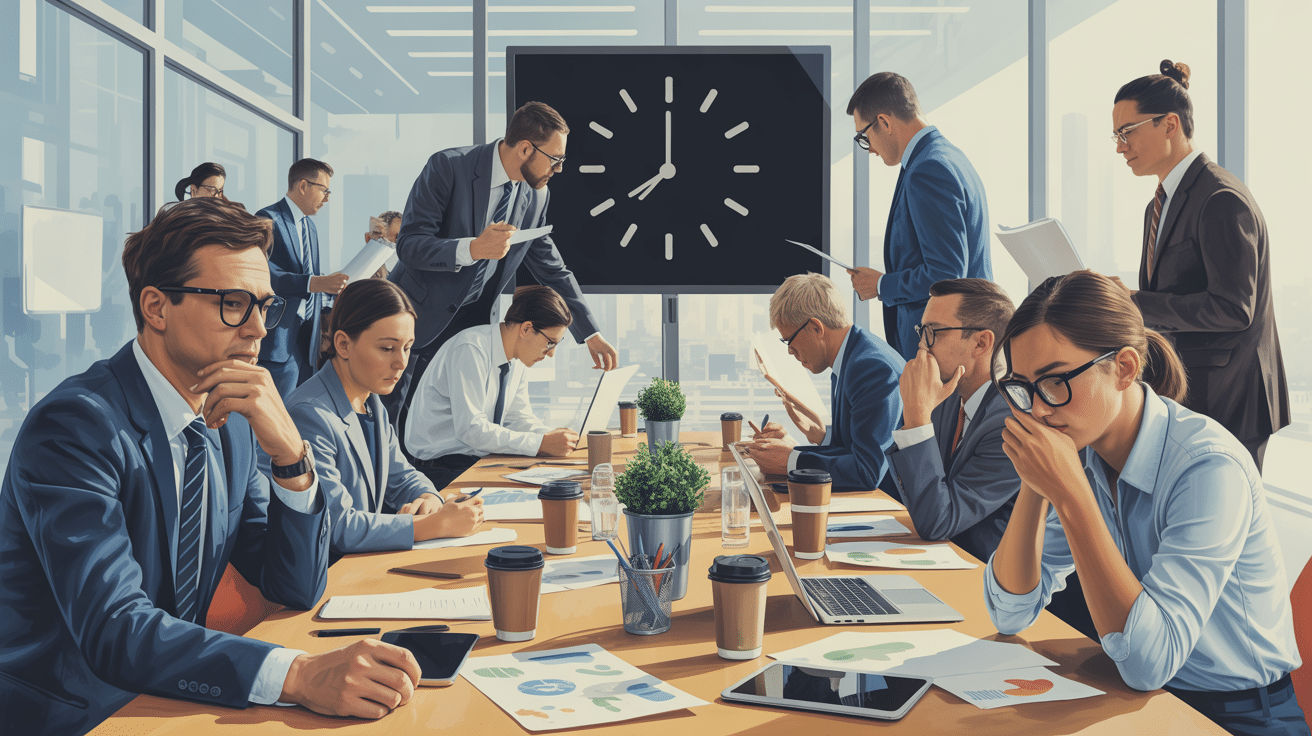
Meetings are intended to facilitate communication and collaboration, yet for many, they have become synonymous with wasted time. According to the survey, employees across various industries are losing thousands of dollars annually due to unproductive meetings. The financial implications are staggering. For a company with hundreds of employees, the cumulative cost of unnecessary meetings can reach into the millions, directly impacting the bottom line.
Beyond financial losses, the time employees spend in pointless meetings could be better allocated to tasks that drive results. The tech sector, in particular, is significantly affected, with employees losing 169 hours each year. This time could be better spent on innovation and development, areas critical to maintaining a competitive edge. The high cost of unproductive meetings is not just a matter of dollars and cents; it’s a question of strategic resource allocation.
Understanding the importance of soft skills in the workplace
Meeting Fatigue and Its Impact
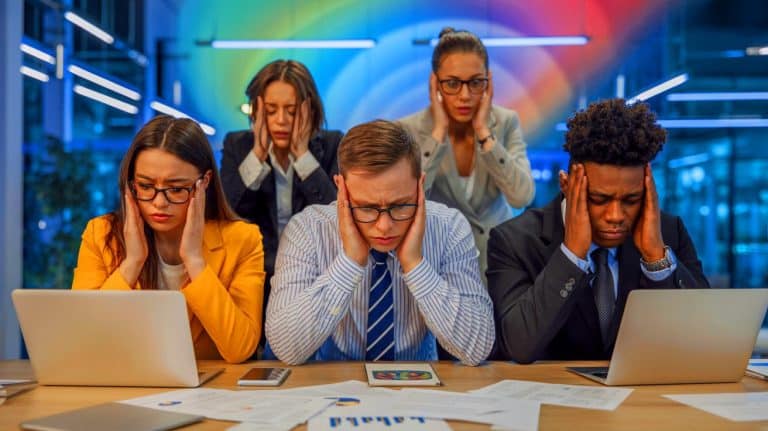
Meeting fatigue is a growing concern, with 72% of workers reporting exhaustion from excessive meetings. This fatigue is particularly pronounced among Gen Z employees, who often view traditional meeting structures as outdated. The continuous cycle of back-to-back meetings leaves little room for recovery, leading to decreased productivity and increased burnout.
The impact of meeting fatigue extends beyond individual performance. It erodes overall employee engagement and contributes to higher turnover rates. As younger generations enter the workforce, their preference for asynchronous communication and outcome-focused collaboration clashes with established meeting norms. This generational mismatch highlights the need for organizations to adapt their meeting structures to retain talent and maintain a motivated workforce.
“Who Does That?”: They Laid Off the Creator of Their Entire Product Line on a Heartless Zoom Call
Strategies for Improving Meeting Efficiency
Addressing the issue of meeting inefficiency requires a strategic approach. Kacy Fleming, a workplace strategist and former head of global well-being at Takeda Pharmaceuticals, advocates for a cultural shift in how meetings are conducted. Her initiative, “Making Meetings Matter,” offers practical steps to enhance meeting productivity.
“No agenda, no attenda.” Agendas keep meetings focused and purposeful. Without them, meetings risk devolving into aimless discussions.
Fleming emphasizes the importance of discernment when scheduling meetings. Many tasks can be resolved through emails, shared documents, or quick phone calls, eliminating the need for formal meetings. Additionally, defining clear outcomes and assigning roles can keep participants engaged and prevent meeting fatigue.
Rethinking Meeting Culture
Transforming meeting culture is not an overnight endeavor. However, with half of all meetings delivering questionable value, a reevaluation of meeting practices is necessary. Fleming suggests shortening meetings to 25 or 50 minutes to allow for breaks between sessions. This adjustment helps employees recharge and refocus, enhancing overall productivity.
Implementing these changes requires commitment from leadership and a willingness to challenge traditional norms. By fostering a meeting culture that prioritizes efficiency and engagement, organizations can mitigate the negative effects of meeting overload. This shift is not merely about improving productivity; it’s about creating a workplace environment that values employee well-being and maximizes potential.
As organizations look to the future, they must consider how meeting practices align with their strategic goals. Are current meeting structures facilitating productivity, or are they hindering it? By addressing these questions, companies can pave the way for a more efficient and engaged workforce.