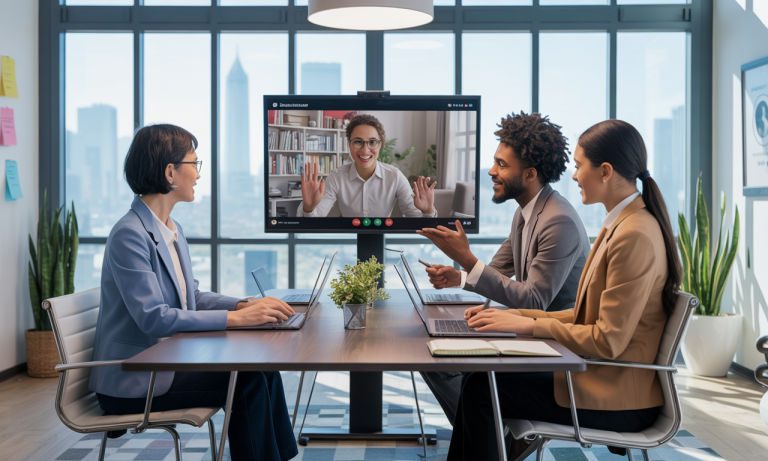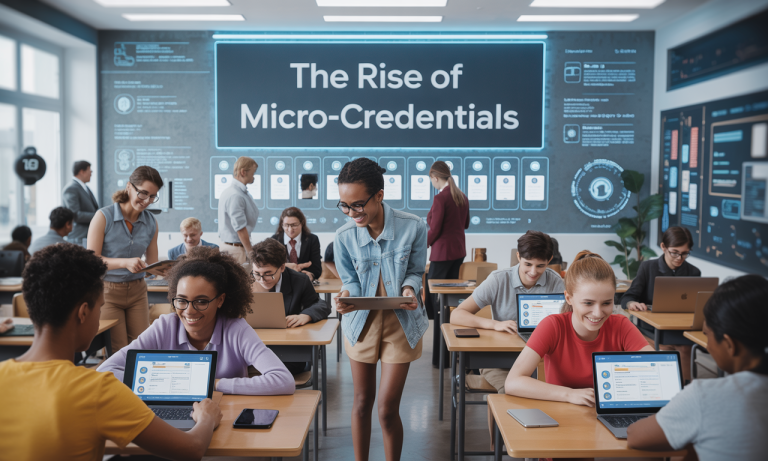





From immersive video lectures produced on platforms like Coursera to real-time collaboration via Zoom, technology has redefined what it means to participate in modern education. The adoption of digital tools is no longer reserved for niche or experimental courses; instead, seamless access to multimedia content, personalized learning paths, and interactive assessments is quickly becoming the norm. Learners expect to access their coursework on mobile devices or desktops as their schedules allow, while educators rely on robust environments such as Moodle, edX, and Teachable to efficiently organize content, track progress, and provide timely feedback. This dynamic shift goes far beyond convenience, it opens educational opportunities to broader, more diverse populations and enhances learner engagement. As institutions embrace emerging technology, the impact on course delivery is both transformative and far-reaching.
Transforming Course Delivery in the Digital Learning Era
The integration of technology into education has empowered both instructors and students with tools that redefine teaching and learning. Platforms such as Khan Academy, Udacity, Skillshare, and LinkedIn Learning provide extensive resource libraries, catering to various disciplines and learning preferences. Content is no longer static; it is interactive, accessible, and tailored to individual needs.
- Learning Management Systems (LMS) like Moodle streamline course delivery and communication.
- Course authoring tools enable multimedia-rich, engaging materials.
- Collaborative spaces powered by Zoom enhance peer and instructor interaction.
- Mobile compatibility ensures learning happens wherever the learner is.
Key Drivers of Flexibility and Engagement
Digitally enhanced environments enable both asynchronous and synchronous learning. Whether a course on FutureLearn or a self-paced program on Teachable, learners benefit from resources, videos, forum discussions, adaptive quizzes, that accommodate their learning pace and style. For educators, technology facilitates real-time monitoring of student participation and quick data-driven interventions.
- 24/7 resource access for global learners
- Interactive assessments and instant feedback
- Personalized pathways for differentiated instruction
- Community-building via discussion boards and group projects
Enhancing Interaction: Multimedia, Assessment, and Feedback
Course design increasingly leverages multimedia, videos, infographics, podcasts, to deepen engagement and understanding. On edX or Coursera, quizzes embedded within video lectures reinforce concepts and enable spaced repetition. Technology-enabled assessments can quickly evaluate comprehension, with automated grading in platforms like LinkedIn Learning and Moodle.
- Interactive videos and animations to visualize concepts
- Immediate quiz feedback and adaptive testing via AI
- Peer review workflows for collaborative learning
- Progress tracking and achievement badges (gamification elements)
The Essential Role of LMS and Assessment Tools
LMS platforms such as Teachable, Moodle, or Udacity centralize course management and facilitate seamless delivery. Technology-enhanced assessment tools, ranging from live polls to auto-graded assignments, enable educators to identify trends and support students proactively. Prompt, data-driven feedback helps learners improve continuously, bridging gaps that traditional approaches might miss.
- Automated grading and analytics for immediate performance insights
- Real-time feedback to foster a growth mindset
- Personalized support triggers for struggling students
Mobile Learning: Accessibility, Flexibility, and Design
With the proliferation of mobile devices, course access is no longer confined to a desktop or classroom setting. Leaders like FutureLearn and Khan Academy now offer experiences optimized for smartphones and tablets, allowing learners to study during their commute, lunch break, or from remote locations worldwide.
- User-friendly interfaces tailored to a mobile-first audience
- Bite-sized modules adapted for small screens
- Offline access for learning in low-connectivity areas
- Push notifications to support ongoing engagement
Best Practices for Mobile Course Design
Effective mobile course delivery requires more than simply shrinking content to fit a smaller screen. Successful platforms, including Moodle and Skillshare, build native apps or responsive web designs. Consideration is given to navigation, touch gestures, and the prioritization of essential content. Microlearning, short, focused learning segments, has proven particularly effective for mobile users, increasing both retention and completion rates.
- Responsive layouts for consistent user experience
- Large, intuitive buttons and interactive elements
- Strategic use of multimedia and real-world case studies
Personalization and Adaptive Learning Technologies
Artificial intelligence has introduced adaptive learning pathways, reshaping how students progress through material. AI-powered systems, like those found in Coursera or LinkedIn Learning, analyze learner data to create custom recommendations, offer scaffolding for struggling areas, and adjust content delivery in real time.
- Adaptive quizzes that change difficulty based on answers
- Custom content curation for skills gaps
- Automated reminders and nudges to encourage course completion
- AI-powered tutoring and mentoring suggestions
Gamification and Deeper Engagement
Integrating gamification into course delivery, via points, levels, or virtual rewards, injects a sense of progress and motivation. On platforms like Udacity and Skillshare, students are rewarded for participation and achievement, which can significantly boost completion rates and cultivate sustained engagement.
- Leaderboards to encourage friendly competition
- Achievement badges and certificates
- Scenario-based simulations for applied learning
Challenges and Considerations in Technology-Enabled Course Delivery
Despite these advances, digital equity remains a pressing concern. Access to reliable technology and high-speed internet is not universal, which can impede participation for some learners. Additionally, a heavy reliance on tech can result in reduced human connection, limiting organic discussion and collaboration that naturally occurs in in-person environments.
- Bridging the digital divide through scholarships and device provision
- Blended learning approaches pairing in-person and online experiences
- Inclusive design to accommodate diverse abilities and backgrounds
- Strategies to foster social interaction (breakout rooms, discussion threads)
Striking the Right Balance
Successful digital course delivery considers both the possibilities and the pitfalls of technology. Optimal outcomes are achieved when educators use tools like Zoom and Teachable to enhance, rather than replace, human-centered teaching and community building. As tech evolves, keeping ethical considerations and student well-being at the forefront is essential for maintaining quality and equity in education.
- Continuous feedback loops with learners
- Community-focused online activities
- Ongoing training for educators in tech fluency
Outlook on the Future of Course Delivery and Technology
Looking ahead, educational technology will continue to shape course delivery. Integration of virtual reality, expanded AI personalization, and the maturation of mobile learning will further dismantle barriers to quality education. As platforms such as edX and Khan Academy keep refining their offerings, learners worldwide will benefit from courses that are more accessible, engaging, and relevant than ever before.
- Virtual classrooms for immersive, hands-on learning
- Data analytics driving continuous course improvement
- Cross-platform collaborations to broaden access
- Lifelong learning pathways integrating formal and informal education