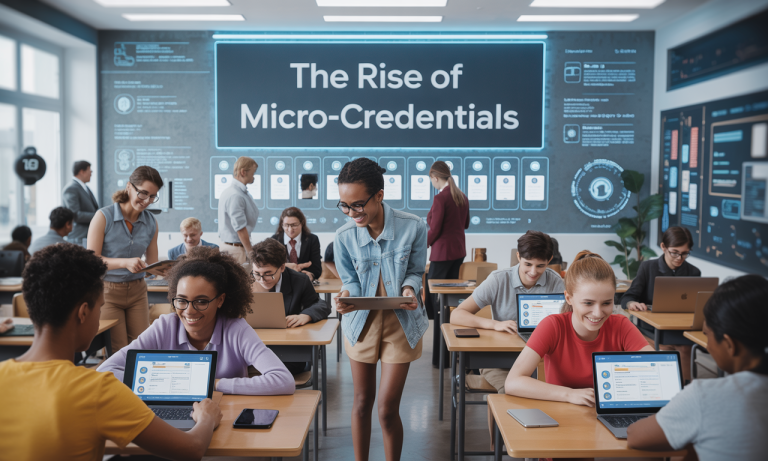





Learning has undergone a remarkable transformation, with free online courses now making advanced knowledge and skill-building accessible to anyone with an internet connection. Gone are the days when quality education required a hefty tuition or relocation to a major university city. Today, aspiring professionals and curious minds leverage platforms like Coursera, edX, and Khan Academy to unlock curated content from leading institutions around the world. Whether you’re aiming to advance your career, develop a hobby, or sample academic fields before committing, these platforms remove many barriers, cost, schedule, and even location. The challenge in 2025 is not the lack of options, but choosing the best fit from a crowded field. This guide will help you navigate the top providers, highlight essential tips for maximizing your learning, and showcase courses aligned with today’s most relevant skills.
Top Course Providers for Accessible and Quality Online Learning
Free online courses break down walls between learners and expertise, offering everything from foundational skills to professional-level specializations. Among hundreds of providers, a few consistently stand out for their selection, teaching quality, and diverse features:
- edX, Exceptional breadth and university partnerships, with 4,700+ courses from global leaders.
- Coursera, Noteworthy for its language variety and broad range, partnering with 325+ universities and multinational companies.
- FutureLearn, Exceptional for STEM content with concise, impactful short courses.
- Codecademy, Renowned for practical, hands-on coding instruction in multiple programming languages.
- Udacity, Targeted at IT and tech skills, with courses crafted alongside titans like Amazon and Microsoft.
- Memrise, User-friendly foreign language lessons built around real-life conversations.
- Udemy, High-volume catalog with strong business and personal development offerings.
Additional reputable resources such as Khan Academy, Alison, MIT OpenCourseWare, LinkedIn Learning, and OpenLearn round out a robust landscape. Their combined strengths, flexibility, certified instructors, and curated content, help students find a reliable match for almost any goal.
Key Criteria for Selecting Your Free Course Platform
Choosing the right platform is about more than just the number of courses. The following essential factors set apart the top-rated providers:
- Flexibility: Self-paced schedules accommodate busy lives and allow you to progress at your own speed.
- Accessibility: Easy account creation, low technical requirements, and mobile compatibility help all users join in.
- Faculty Expertise: Classes often feature instructors from universities like Harvard, MIT, or Imperial College London.
- Student Feedback: Ratings and reviews on Trustpilot, Reddit, and Facebook provide insight into course quality and support.
These considerations ensure that your educational journey is not only convenient but also rewarding, regardless of your starting point.
Exploring the Standout Features of Leading Platforms
Each course provider brings unique advantages, tailored to different learning styles, subject needs, or career ambitions. Here’s what sets the most popular options apart:
- edX: Leading for overall value, huge variety, world-class instructors, and an intuitive interface. You can audit courses for free, but certificates require a fee.
- Coursera: Extensive multilingual courses and partnerships, including corporations like Google and IBM. Free access for most lessons, paid certificates available.
- FutureLearn: Especially strong in science, technology, engineering, and math, with short, project-focused classes from major universities.
- Codecademy: Project-driven programming instruction, from Python to JavaScript, geared for rapid skill acquisition.
- Udacity: Specialized tracks in IT, AI, and data science, guided by practical exercises and industry partnerships.
- Memrise: Interactive language learning, blending multimedia with memorization techniques across dozens of languages.
- Udemy: Massive selection covering soft and hard business skills, led by seasoned experts, with frequent updates and community reviews.
Other key players include MIT OpenCourseWare for full university-level syllabi, Khan Academy for foundational academic learning, OpenLearn for accessible Open University materials, LinkedIn Learning for career-oriented tutorials, and Alison for workplace certification-focused courses. Students can easily sample various disciplines before advancing into formal education or paid tracks.
Sample Popular Courses to Jumpstart Your Learning
Rather than feeling overwhelmed by an ocean of options, some flagship free courses have earned recognition for their impact and design:
- edX: CS50’s Introduction to Computer Science, Data Science: Machine Learning
- Coursera: The Science of Well-Being, Financial Markets, Introduction to Psychology
- FutureLearn: Introduction to Cybersecurity, Engaging in Activism for Social Change in Tech
- Codecademy: Learn JavaScript, Python for Programmers
- Udacity: Front End Frameworks, Website Performance Optimization, What is Programming?
- Memrise: Spanish (Mexican), Mandarin Chinese
- Udemy: The Manager’s Guide to Effective One-on-One Meetings, Foundations of Business Strategy
Whether your interests center on data science, business leadership, language acquisition, or creative arts, these hand-picked courses deliver proven value. Starting with a course like CS50 or The Science of Well-Being can also show you the best of modern online education.
What to Consider Before Enrolling, Making the Most of Free Courses
To get the maximum benefit from free learning resources, it’s important to align your selection with your education goals and personal habits. Consider the following:
- Learning Objectives: Define if you seek personal growth, workplace advancement, or exploration of new fields. Paid certificates are often required for official recognition.
- Learning Style: Assess if you thrive in self-paced online study or need more interactive, live sessions. Video lectures, forums, or practice quizzes cater to various learner preferences.
- Technical Setup: A reliable device, stable internet, and sometimes headphones are all you need. Many platforms like Udemy and Memrise provide intuitive mobile apps.
- Content Access: Know that free access sometimes restricts graded assignments or long-term content availability. Review terms before committing valuable study time.
These preparatory steps can transform a casual browsing experience into a meaningful, confidence-boosting progression, whether your aim is a career shift, academic exploration, or simply mastering a new topic.
Free vs. Paid Online Courses: Understanding the Differences
Free courses empower exploration but usually omit certain premium features. Here’s what distinguishes the two experiences:
- Access Privileges: Graded projects, unlimited lessons, and certificates typically require payment. Free learners receive core materials and ungraded assignments only.
- Time Limits: Free course access is often time-limited or expires after the active session ends.
- Certification: Verification or proof of completion almost always requires an upgrade, a factor to weigh if formal recognition matters in your context.
Careful review ensures you select the pathway most suited to your immediate needs, saving time and potential frustration. This awareness is particularly vital for new learners setting realistic expectations at the outset.
Expanding Opportunities: Why Free Online Courses Matter More Than Ever
Online learning platforms have stepped in to democratize education on a global scale, making expertise from Harvard, the Sorbonne, and countless innovators in business, STEM, and the arts just a click away. This shift was accelerated during the COVID-19 pandemic and has only strengthened since, as even remote and rural learners gain easy access to world-class instruction.
- Removing financial barriers for motivated students anywhere on the planet
- Supporting professional reskilling and upskilling in response to evolving job markets
- Allowing passionate amateurs and young learners to discover new interests at no risk
- Complementing traditional education pathways as stepping stones to advanced study or certifications
With accessible, high-quality free courses from platforms like Coursera, edX, Khan Academy, Udemy, and others, the possibilities are broad and empowering. In 2025 and beyond, taking charge of your learning journey has never been easier, or more transformative.