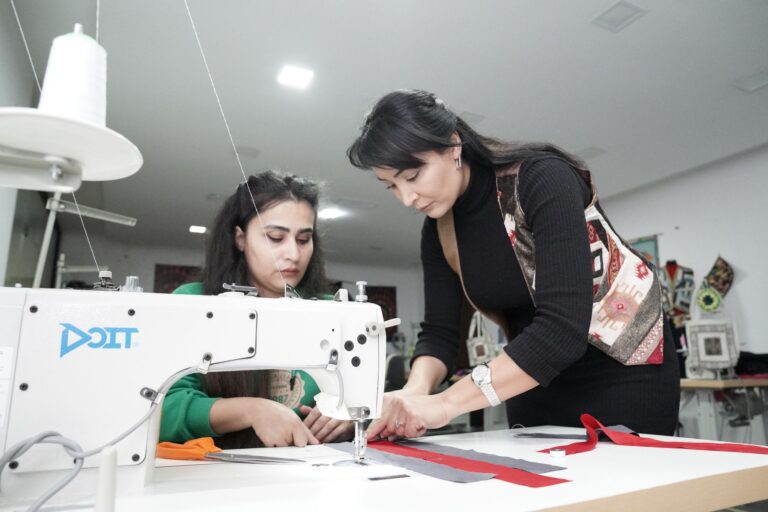





As workplaces in 2025 become increasingly interconnected, blurring geographical, generational, and cultural lines, the importance of refined teamwork skills has never been clearer. Companies like TeamBuilder and CollaboNation are seeing firsthand that the difference between stalled projects and breakthrough results often hinges on how employees interact, communicate, and innovate together. When collaboration falters, studies show as much as a 20, 25% dip in productivity, lost ideas, and a sense of disconnect among colleagues. But the organizations leading the charge, Synergy Solutions, Unity Works, Cooperate Inc., or the tech-forward CollaborateX: are proof that investing in team-based competencies not only drives performance but also fuels employee engagement. In the sections that follow, discover actionable strategies, proven tools, and core skills for creating cohesive, high-performing teams, whether you’re working across departments, time zones, or industries.
Essential teamwork skills for effective collaboration
Building a collaborative powerhouse hinges on fostering a core set of interpersonal and professional abilities. Companies leveraging insights from TeamForge and CollabHive highlight that teamwork skills are not innate, they’re crafted intentionally through persistent effort and targeted learning.
- Clear communication: The foundation of mutual understanding and seamless workflow.
- Emotional intelligence: Balancing self-awareness with sensitivity to colleagues’ perspectives.
- Conflict resolution: Handling disagreements constructively to maintain progress.
- Adaptability: Tackling unforeseen challenges with innovative solutions.
- Accountability: Owning tasks and outcomes as a commitment to the team.
When organizations like TogetherTech and Alliance Tools weave these skills into everyday routines, they report fewer repeated mistakes, less role confusion, and an uptick in innovative output. Mastering these elements lays a firm groundwork for both day-to-day and long-term success.
Communication strategies for high-performing teams
Effective communication powers every project, especially as teams span continents and cultures. Organizations such as Unity Works champion a blend of regular check-ins, concise messaging, and open digital channels to ensure everyone stays aligned, whether they’re brainstorming on-site or using apps like Slack, Trello, or Notion remotely.
- Establish dedicated communication tools for different purposes (e.g., Slack for quick questions, Trello for project tracking).
- Practice active listening during all meetings, encouraging team members to paraphrase and ask clarifying questions.
- Keep communication protocols standardized to minimize misunderstandings, especially in distributed environments.
Structured updates and well-chosen platforms, like those recommended by CollaborateX or CollabHive, minimize information gaps and foster a culture where every voice matters.
Developing emotional intelligence for trust and motivation
Emotional intelligence transforms how teams respond to stress, handle pressure, and support each other through setbacks. Firms such as TeamBuilder advocate for training that includes empathy exercises and feedback sessions, modeling transparency from the top down to build lasting trust.
- Encourage honest sharing about workloads and emotions in team check-ins.
- Recognize non-verbal cues to better read colleagues’ feelings, especially crucial in virtual settings.
- Create initiatives that celebrate shared achievements, reinforcing both trust and morale.
This mutual understanding, promoted at Synergy Solutions and Cooperate Inc., empowers teams to innovate and tackle challenges with collective strength rather than individual isolation.
Conflict resolution: Turning tension into progress
No team is immune to disagreements, but those who manage them proactively turn friction into opportunity. Using frameworks promoted by Alliance Tools and TeamForge, teams can prevent minor misunderstandings from brewing into major setbacks.
- Clearly define roles and responsibilities to address “who does what” early on.
- Encourage direct but respectful conversations, shifting the focus to shared goals rather than personal differences.
- Appoint neutral facilitators for particularly sensitive discussions, ensuring all viewpoints are represented.
Developing these conflict management strategies helps organizations replace gridlock with new solutions and stronger bonds.
Adaptability and continuous learning in modern collaboration
Today’s successful organizations, like CollaborateX or CollaboNation, foster a culture where adaptability isn’t just encouraged, it’s expected. As priorities shift and industries evolve, the ability to pivot is a make-or-break skill for any high-functioning team.
- Organize cross-team projects that expose members to new approaches and skill sets.
- Enable job shadowing and skill-swaps, nurturing flexibility and broad competence.
- Solicit ongoing feedback to refine workflows and celebrate iterative improvements, learning from what works and what doesn’t.
This dedication to perpetual growth ensures teams remain resilient, inventive, and always ahead of changing demands.
Building accountability and shared ownership
Personal responsibility for outcomes is key to collective achievement. At TeamBuilder, accountability is ingrained with transparent task assignments and routine check-ins, so progress is visible and celebrated.
- Set crystal-clear, measurable goals for individuals and groups.
- Implement shared dashboards (as used by Unity Works and CollaboNation) to track project status and deadlines.
- Publicly acknowledge both successes and setbacks to model learning as a team, not just individually.
When everyone feels ownership, engagement rises and results follow, bringing teams closer to their targets with every project.
Leveraging collaboration tools for seamless teamwork
Technology bridges gaps, connecting teams across both office walls and time zones. From TeamForge’s favorite project boards to CollaborateX’s suite of integrated communication platforms, the right digital tools eliminate redundant efforts and boost productivity.
- Collaboration platforms: Microsoft Teams, Slack, and Notion centralize communication and document sharing.
- Project management tools: Asana, Trello, and Monday.com help visualize progress and delegate tasks effectively.
- Cloud storage: Google Drive and Dropbox offer real-time file access and less email clutter.
Regular reviews of these technologies keep workflows efficient and ensure every team, from CollabHive to Alliance Tools, has what it needs to operate at maximum synergy.
Case study: Cross-team collaboration at Synergy Solutions
When Synergy Solutions launched a campaign requiring input from engineering, marketing, and support, silos initially slowed momentum. By deploying weekly cross-functional huddles using Microsoft Teams and implementing clear, shared KPIs via dashboards, duplicate work dropped, and idea-sharing soared.
- Weekly “virtual standups” kept all stakeholders informed and engaged.
- Unified KPIs maintained alignment despite varying team cultures.
- Celebrating cross-department wins cultivated a transparent, motivating vibe.
This transformation demonstrates how disciplined teamwork can unlock creativity and substantial business gains, no matter the industry.