



| IN A NUTSHELL |
|
As temperatures rise and activities intensify, maintaining optimal hydration becomes crucial yet challenging. Whether engaging in sports, working outdoors, or simply enduring a long day at the office, dehydration can strike unexpectedly. Even mild dehydration can affect cognitive function and physical performance, while severe cases can lead to serious health issues such as heatstroke or kidney problems. Traditionally, tracking hydration levels has relied on cumbersome and time-consuming methods like blood tests or urine samples. However, researchers at The University of Texas at Austin have developed a groundbreaking wearable sensor that promises real-time hydration monitoring, offering a convenient and reliable alternative.
A Wearable Breakthrough for Real-Time Hydration
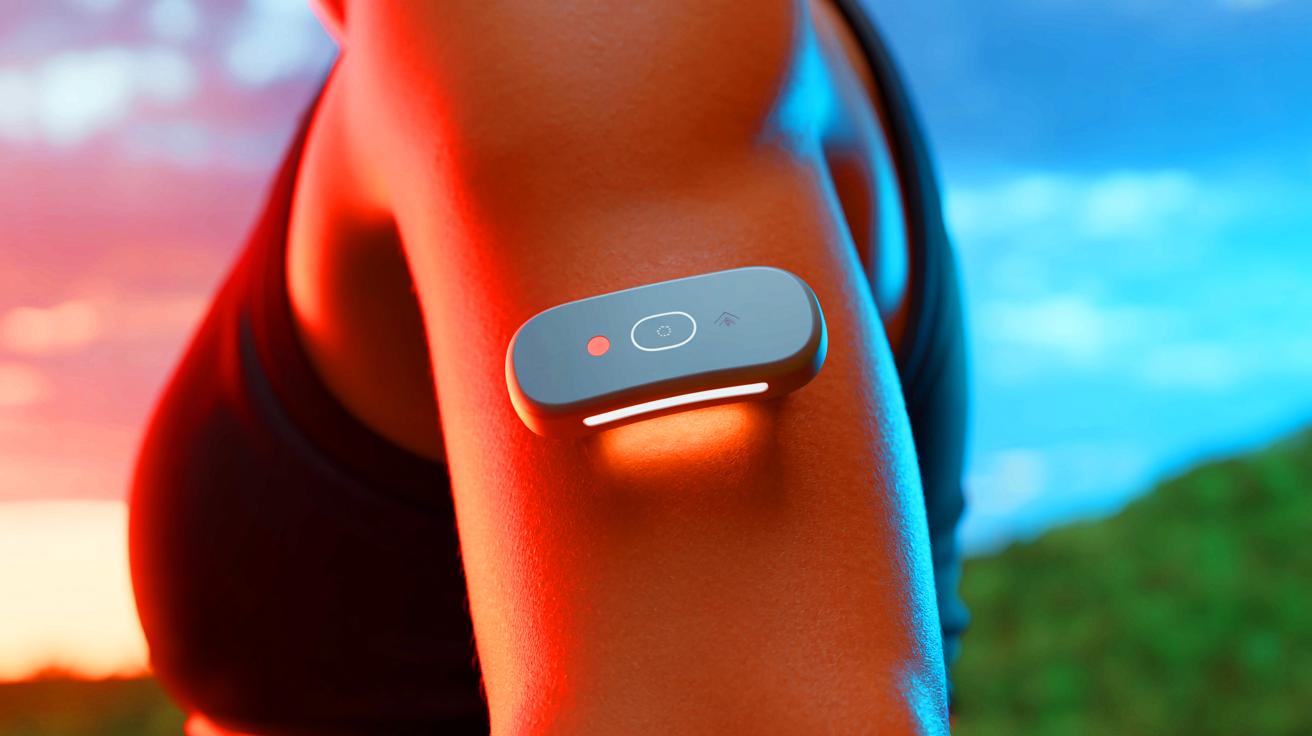
At the forefront of this innovation is a team led by engineer Nanshu Lu from UT Austin. They have designed a small, wearable sensor that continuously tracks hydration without the need for needles or laboratory tests. Published in the Proceedings of the National Academy of Sciences, their study demonstrates how this device provides real-time feedback on hydration levels throughout the day.
The sensor operates using bioimpedance, a technique that measures how electricity flows through the body. Water, being a good conductor, allows electrical currents to pass through tissues easily. When the body dehydrates, resistance increases, providing a clear indication of hydration status. By placing electrodes on the arm, the sensor sends a mild electrical signal through the skin, which varies with the body’s water content.
“Dehydration is a silent threat that affects millions of people every day,” said Lu. “Our wearable sensor provides a simple, effective way to monitor hydration levels in real time, empowering individuals to take proactive steps to stay healthy and perform at their best.”
From Lab Testing to Daily Life
The development of the sensor involved rigorous testing in both laboratory and real-world settings. In one experiment, volunteers took diuretics to induce dehydration, and the sensor accurately tracked changes in body water by measuring electrical resistance in the arm. The results closely matched the actual fluid loss, demonstrating a high correlation.
Further testing involved participants wearing the sensor during normal daily activities. The device reliably recorded hydration changes as users engaged in various activities, from drinking fluids to sweating. Unlike traditional methods, this sensor is wireless, flexible, and integrates seamlessly with a smartphone app for easy data access.
“We saw that arm bioimpedance is not only sensitive to hydration changes but also aligns closely with whole-body hydration measurements,” said Matija Jankovic, a co-author of the study.
A Sensor with Many Uses
This wearable technology is not limited to athletes or those in high-risk environments. It holds potential benefits for anyone looking to maintain proper hydration, from students to older adults. Proper hydration is crucial for bodily functions, impacting everything from organ performance to cognitive and physical abilities. Yet, many individuals unknowingly suffer from chronic dehydration.
Even slight dehydration can impair focus and coordination, increasing the risk of more severe health issues over time. The sensor’s ability to provide continuous monitoring could significantly improve health outcomes for those with medical conditions, such as kidney disease or cardiovascular problems. Additionally, it may aid recovery during postoperative care or illness.
“And hopefully, it could help our Longhorn student athletes compete and stay healthy on hot days,” Lu added.
Looking Ahead: Smarter Design and Broader Access
The current sensor measures relative hydration changes throughout the day, but future developments aim to establish absolute hydration status. By collecting data from a broad user base, researchers hope to set a baseline for normal hydration levels. This would enhance the device’s accuracy and applicability.
Innovative designs, such as breathable “e-tattoos” and sweat-wicking materials, are being explored to enhance comfort and usability. Testing on larger populations and expanding electrode placement to other body areas will further refine the sensor’s utility. The goal is to make hydration monitoring accessible and straightforward for everyone.
“This is just the beginning,” Lu said. “Our goal is to make simple hydration monitoring accessible to everyone.”
With the continuous threat of dehydration looming over various aspects of daily life, advancements in wearable hydration technology offer hope for better health management. These sensors could become a staple in personal health monitoring, providing critical insights into hydration status. As the technology develops, how will society adapt to incorporate this novel approach to maintaining optimal hydration?