



| IN A NUTSHELL |
|
Diabetes remains a significant global health concern, affecting over 10 percent of adults worldwide. At the core of this chronic condition is the lack of insulin-producing β cells in the pancreas, which are essential for regulating blood sugar levels. While current medications can help manage glucose levels, they do not regenerate lost β cells. This has been a crucial limitation in diabetes treatment, until now. Recent research has uncovered a potential breakthrough: a combination of two drugs, harmine and exendin-4, has been shown to stimulate the multiplication of human β cells within a living system, a development that could transform diabetes management.
Breakthrough in Diabetes Treatment
The journey toward this breakthrough began in 2015 at the Icahn School of Medicine at Mount Sinai, spearheaded by Dr. Andrew F. Stewart and his team. Their extensive research involved screening thousands of chemical compounds to find one that could induce human β cells to divide. This led to the discovery of harmine, a natural compound found in certain plants. By pairing harmine with exendin-4, a GLP-1 receptor agonist already used in diabetes therapy, the researchers achieved remarkable results. In a study involving mice transplanted with human pancreatic islets, the treatment resulted in a 700 percent increase in β cell volume over three months.
This marked the first time that a drug treatment has been proven to increase adult human β cell numbers in vivo. Dr. Adolfo Garcia-Ocaña from City of Hope in Los Angeles emphasized the significance of this discovery, stating that it offers hope for future regenerative therapies to potentially treat the hundreds of millions of people living with diabetes worldwide.
Revolutionary Imaging Techniques
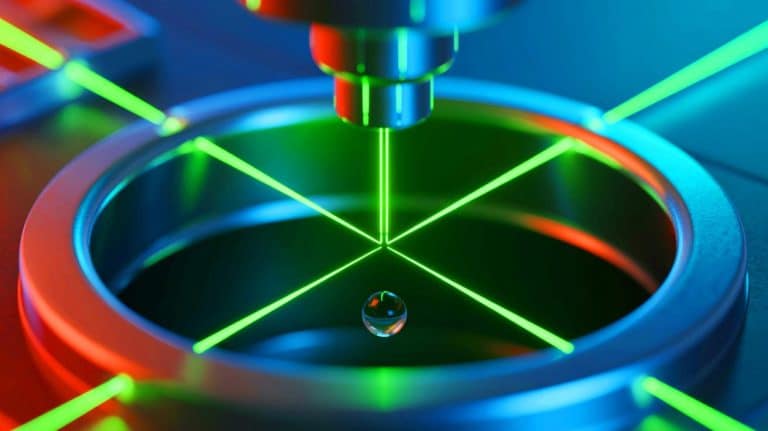
To ensure the validity of their findings, the researchers collaborated with Dr. Sarah A. Stanley at Mount Sinai, who employed a cutting-edge imaging technique known as iDISCO+. This laser-based method makes tissue transparent, allowing for detailed 3D examination. Through this technology, the team confirmed that the β cell mass had indeed expanded significantly, with cells dividing more frequently and experiencing reduced cell death. This dual effect led to a lasting increase in β cell mass.
The implications of this research extend beyond the initial treatment period. Even after discontinuing the drugs, the larger β cell population persisted, albeit with reduced cell division. The study’s robustness across donor samples of varying ages and health backgrounds suggests that this treatment could have broad applicability.
Enhancing Insulin Production
The increased β cell pool was not merely an anatomical change; it translated into functional benefits. Mice treated with the drug combination exhibited improved glucose tolerance and heightened insulin secretion in response to sugar challenges. Importantly, the new β cells retained markers of healthy, mature β cells, indicating their viability and efficacy in insulin production.
One of the most significant challenges in islet transplantation, cell survival, was also addressed. Typically, many β cells perish shortly after transplantation. However, when harmine and exendin-4 were administered immediately post-surgery, a significantly higher number of cells survived. This effect was attributed to the activation of a gene called VGF, which plays a crucial role in cell protection and survival.
Progress Toward Human Trials
With promising preclinical results, the focus has shifted toward human trials. Mount Sinai has already conducted a phase 1 clinical trial of harmine in healthy volunteers to assess its safety. Meanwhile, Dr. Robert J. DeVita has developed next-generation DYRK1A inhibitors that may offer even greater safety and selectivity. Planned first-in-human trials aim to combine these advanced drugs with GLP-1 receptor agonists.
Type 1 diabetes presents an additional challenge due to the immune system’s attack on new β cells. Researchers at City of Hope, led by Dr. Garcia-Ocaña and Dr. Alberto Pugliese, are exploring the pairing of β cell regeneration therapies with immunomodulatory drugs to protect new cells and restore insulin production.
Future Implications
This groundbreaking study provides the first substantial evidence that human insulin-producing cells can be regenerated through drug treatment. If successful in future clinical trials, this therapy could revolutionize diabetes management, potentially reducing or eliminating the need for regular insulin injections. By restoring the body’s natural insulin production capabilities, patients could experience better long-term health outcomes, fewer complications, and an enhanced quality of life.
The research also paves the way for combining regenerative and immune-modulating therapies, offering new hope for a more direct approach to treating type 1 diabetes. As scientific and medical communities continue to explore these possibilities, one question remains: How soon can these promising findings translate into accessible treatments for those who need them most?