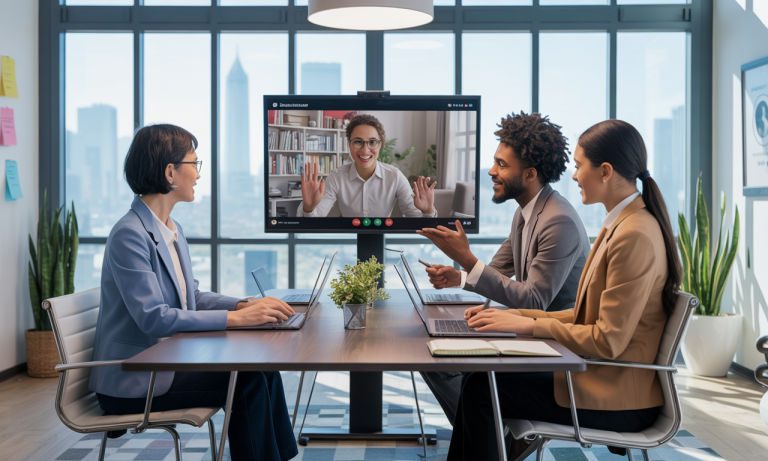





This year sees online courses attracting learners from every walk of life, thanks to a blend of innovative technology and global connectivity. From working professionals exploring upskilling options to college students aiming to enrich their academic profiles, digital education is reshaping the pursuit of knowledge. The surge in popularity is driven by the promise of accessibility, adaptability, and tangible career advantages. Organizations and institutions such as Coursera, LinkedIn Learning, edX, Udacity, Skillshare, and emerging platforms like Pluralsight or FutureLearn are providing a vast universe of courses tailored to educational and professional needs. As the digital revolution in education continues to expand, understanding the core advantages of enrolling in an online course is more relevant than ever.
Top 10 Benefits of Enrolling in an Online Course in 2025
Online learning has transformed how people access education and develop new skills, offering a diverse range of advantages outlined below.
- Complete flexibility: Learn at your convenience, whether during lunch breaks, commutes, or late at night.
- Cost savings: Avoid relocation, commuting, and traditional campus fees.
- Global access: Join classes from world-leading institutions like Coursera and edX, no matter your location.
- Personalized learning paths: Choose the pace, resources, and specializations that match your goals.
- Career skill development: Build or upgrade in-demand competencies from providers such as Udacity or Codecademy.
- Accessibility for all: Digital courses are welcoming to learners across different backgrounds and abilities, thanks to features such as screen readers and subtitles.
- Updated, industry-aligned content: Digital learning platforms revise courses frequently, ensuring learners get the most current knowledge.
- Interaction with a global peer network: Platforms like FutureLearn encourage collaboration with professionals and students worldwide.
- Enhanced self-discipline: Setting your own learning schedules boosts independence and time management.
- Immediate feedback and support: Many providers, like Khan Academy and Teachable, offer instant feedback, adaptive quizzing, and peer groups for support.
Flexibility and Customization: Empowering Every Learner
With courses designed around your routine, digital education lets you decide when, where, and how you learn. Whether logged in to Skillshare for a short creative lesson or pursuing a professional certificate through LinkedIn Learning, the study experience adapts to life’s demands. This adaptability is especially valuable for working professionals and parents.
- Self-paced modules let busy individuals complete topics on their schedule.
- Accelerated tracks on platforms such as Pluralsight help achievers finish certifications rapidly.
- Short breaks between lessons allow learners to absorb and apply concepts efficiently.
Accessibility, Affordability, and Global Reach in Digital Education
Online courses break through barriers of location and cost, providing unprecedented accessibility. Many options, including free offerings on Khan Academy or affordable programs on Coursera and FutureLearn, make quality education available to nearly everyone with an internet connection.
- Lower overall expenses due to absence of commuting and campus accommodation costs.
- Pay-per-course and subscription models (e.g., on Udacity or Teachable) increase budget flexibility.
- Wide variety of scholarships and discounts offered by many online institutions.
Connecting with World-Renowned Institutions and Industry Experts
Students can enroll in programs led by top universities or industry leaders without ever leaving home. Receiving a professional certificate in cybersecurity from Codecademy or earning a degree on edX has become just as valuable as in-person alternatives. Corporate partners like IBM and Google frequently collaborate with online platforms, delivering cutting-edge material and industry-recognized credentials.
- Industry-designed curriculums address immediate market trends.
- Global instructor pool ensures exposure to varied teaching styles and expertise.
- Real-world assignments link classroom concepts to actual job challenges.
Career Advancement, Skills Growth, and Lifelong Learning
For professionals and aspiring career-changers, e-learning provides an efficient path to new skills, credentials, and even entire degrees. Course providers such as LinkedIn Learning and Pluralsight tailor their libraries for personal and professional development, often linking learning modules directly to job opportunities.
- Continuous upskilling and reskilling without career interruption.
- Stackable credentials help build a portfolio of market-relevant expertise.
- Immediate application of acquired skills in your current job or personal projects.
Building a Connected and Collaborative Learning Community
Online education connects you to a diverse audience, fostering global perspectives and fresh insights. Interactive forums, project-based teams, and networking opportunities on platforms such as FutureLearn, edX, or Skillshare help you build relationships that may shape your career or personal growth for years to come.
- Peer-to-peer review and group projects mimic real-world collaboration.
- Worldwide discussion boards offer cross-cultural dialogue.
- Opportunities to join professional groups and online events.
Enrolling in an online course this year equips you not only with up-to-date, practical knowledge but also with essential skills for thriving in a dynamic, connected world. Whether your goals are academic, personal, or professional, platforms like Coursera, edX, Udacity, Skillshare, LinkedIn Learning, FutureLearn, Khan Academy, Pluralsight, Teachable, and Codecademy are ready to support your journey, no matter where you start.