




| IN A NUTSHELL |
|
The recent tragic event in Manhattan has brought workplace safety into sharp focus. Companies are now grappling with how to effectively reassure employees while genuinely improving safety measures. The challenge extends beyond upgrading security systems or revisiting emergency protocols. It requires a fundamental shift in how organizations approach both physical protection and the mental well-being of their workforce. This shift demands acknowledgment of employee fears and a transparent communication strategy to rebuild trust. As organizations navigate these turbulent waters, they are finding that a human-centered approach to safety is not just preferable but essential.
The Importance of Acknowledgment and Transparency
Understanding employee fears is the first step toward creating a safer workplace. George L. Vergolias, a clinical psychologist, emphasizes that fear is a rational response to recent events. “Reassurance begins with acknowledgment and transparency,” he says. Recognizing and validating these fears is crucial for fostering trust. Companies must go beyond superficial safety measures and delve into deeper, more meaningful changes.
Marissa Andrada, a chief culture officer, underscores the importance of human-to-human communication. She advises that messages about safety and wellness should be communicated directly, either in person or through video conferencing. “Employees need to hear directly from leaders that their safety and wellness, both physical and psychological, is a top priority,” she explains. This approach facilitates a more personal connection, helping to alleviate anxiety and reinforce trust.
Engaging Employees in Safety Planning
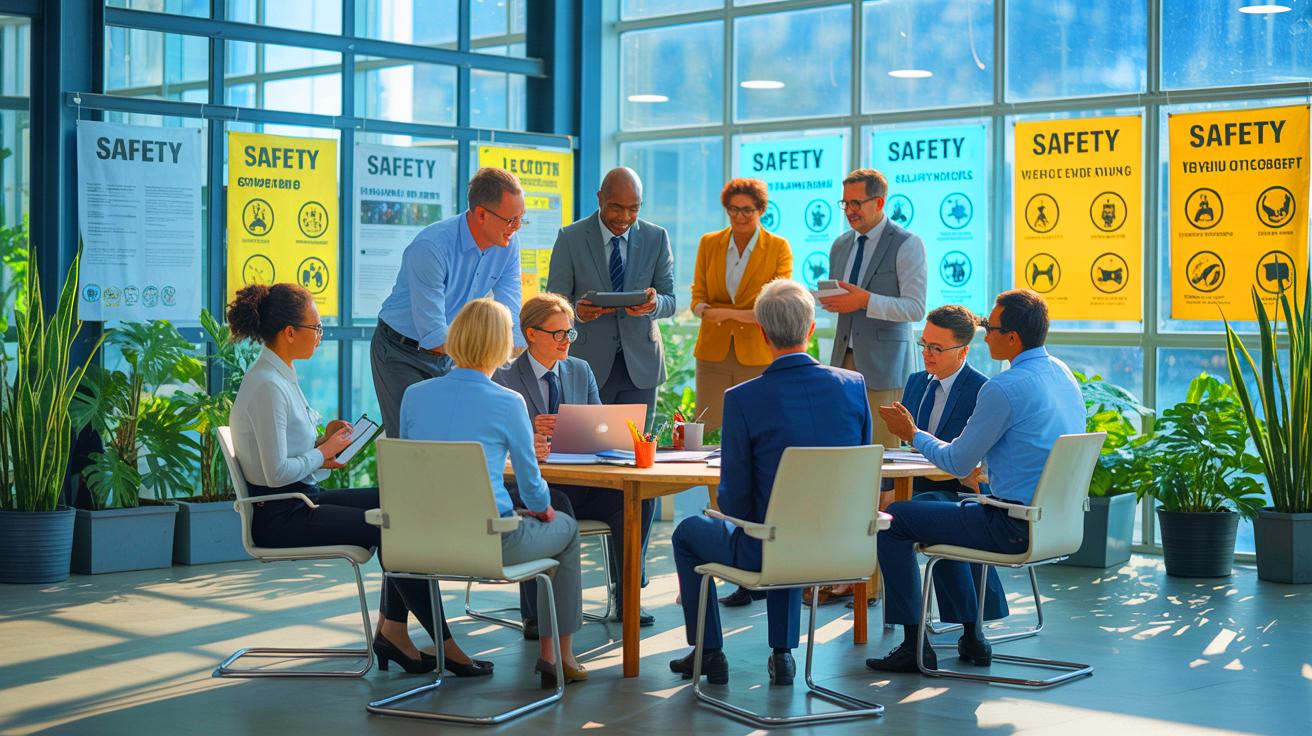
Organizations are finding value in involving employees in safety planning. Sujay Saha, a consultant, advocates for employee-led safety committees to identify concerns and propose solutions. “Rather than top-down communications, create employee-led safety committees,” he suggests. This collaborative approach shifts the dynamic from management-dictated safety protocols to a partnership between staff and leadership.
To accommodate diverse needs, companies are offering various communication channels. Options include detailed emergency procedures for those who seek them and general reassurance for others. This flexibility allows employees to engage at their comfort level. By providing multiple avenues for participation, organizations not only address individual preferences but also foster a sense of collective responsibility.
Strengthening Technical and Emotional Security Measures
While employee involvement is key, technical security measures remain a critical component. Vergolias recommends best practices such as forming behavioral threat assessment teams and establishing clear pathways for confidential reporting. “Most organizations do not have the internal expertise to adequately evaluate and mitigate threats,” he notes, highlighting the importance of consulting with trained experts.
In tandem with technical measures, effective communication plays a vital role. Authentic and vulnerable communication helps maintain employee confidence. Andrada stresses the need for “authentic, vulnerable communication” to convey genuine concern and action. Employees respond better to sincere messages rather than templated statements, which can come across as insincere or dismissive.
Creating a Culture of Safety and Wellness
Beyond immediate crisis response, the focus is shifting toward embedding safety within the broader context of employee wellness. Saha advocates for integrating stress management and mindfulness sessions into safety programs. “This approach transforms safety from something that happens ‘to’ employees into something they actively participate in,” he explains. This holistic approach not only addresses physical safety but also supports emotional well-being.
Accommodations such as “reset days” and quiet spaces for decompression are becoming more common. These measures acknowledge the need for mental health support during high-stress periods. By showing employees they are valued as whole individuals, companies are fostering a more inclusive and supportive work environment.
As organizations continue to navigate the complexities of workplace safety, the goal is to transform anxiety into empowerment. Consistency and follow-through are essential in building and maintaining trust. Andrada highlights the importance of being consistent: “Say what you’ll do and do what you say.” As the landscape of workplace safety evolves, how will organizations continue to adapt and respond to emerging challenges in a way that prioritizes both physical and emotional well-being?