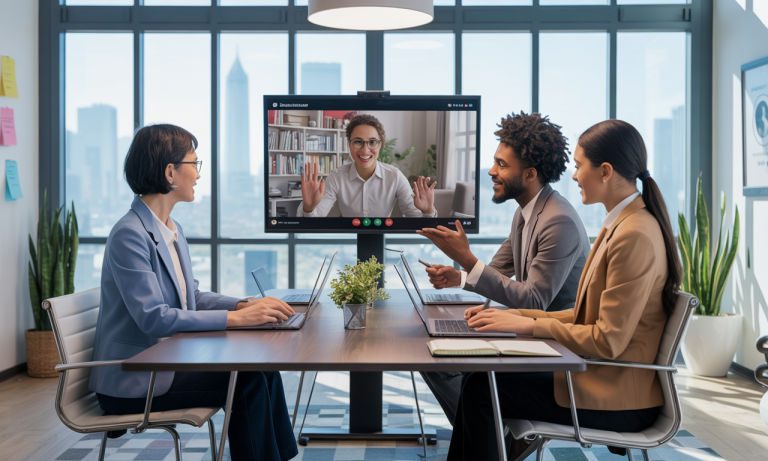





The world of education is changing at breakneck speed, shaped by digital innovation, evolving workplace needs, and an urgent push for accessible, lifelong learning. In 2025, learners, educators, and organizations are reevaluating old models and embracing new, flexible pathways that put the human at the center, while harnessing the powers of artificial intelligence, gamification, and data-driven personalization. Leading platforms such as Coursera, Udacity, edX, LinkedIn Learning, and Khan Academy, alongside specialized apps like Duolingo and Skillshare, are not just responding to these shifts: they are actively driving them. Whether for career advancement, professional resilience, or pure curiosity, adult learners have never had such a broad spectrum of intelligent, interactive, and collaborative options to shape their educational journeys. This dynamic transformation promises a future where learning is ongoing, adaptive, and deeply engaging, marking a pivotal evolution in how knowledge and skills are acquired and valued.
AI-Powered Personalized Learning: Transforming Education in 2025
The rise of artificial intelligence marks a major leap in personalized learning, allowing platforms to adapt to the unique strengths, weaknesses, and motivations of every learner. In 2025, tools like adaptive assessments, real-time progress tracking, and custom content suggestions have become standard across many major platforms, including Coursera and edX.
- Adaptive Assessments: AI-powered quizzes adjust in real time, targeting areas where learners need improvement.
- Personalized Recommendations: Courses on Udacity suggest next steps based on completed modules and skill gaps.
- AI Tutoring: Intelligent assistants offer immediate support and feedback, mirroring trends seen on Khan Academy and Duolingo.
This approach not only improves engagement but also leads to higher completion rates and more meaningful skill acquisition. Embracing these tools ensures that learning remains dynamic and relevant for each individual.
Practical Outcomes of Adaptive Learning Technologies
With machine learning algorithms at their core, educational platforms now detect when a student struggles and instantly recalibrate the next content or question. For example, LinkedIn Learning integrates these analytics to recommend targeted micro-courses for professionals looking to upskill efficiently.
- Dynamic lesson sequencing, tailored for individual learning pace
- Real-time feedback promoting immediate improvement
- Data-driven support tools to prevent learner attrition
Human-Centric Skills: The Shift in Educational Focus
As automation becomes widespread, the spotlight in education shifts toward cultivating distinctly human attributes. In 2025, critical thinking, communication, teamwork, emotional intelligence, and problem-solving rise to the forefront, integrated across curricula from Pluralsight tech courses to MasterClass creative workshops.
- Case Studies: Real-world scenarios encourage learners to solve complex problems collaboratively.
- Skill-Building Workshops: Soft skills get equal emphasis alongside technical expertise.
- Peer Interaction: Group projects on FutureLearn or Skillshare mirror workplace dynamics, preparing learners for genuine challenges.
This renewed focus offers a competitive edge, ensuring that learners are not just technically adept, but also agile and emotionally intelligent in diverse professional settings.
Examples of Human Skills Integration in Modern Courses
Platforms distinguish themselves by embedding real-life problem solving and teamwork into their syllabi. For instance, Udacity nanodegrees often require collaborative projects, while MasterClass features renowned leaders guiding students through case-based decision-making exercises.
- Interactive discussion boards for idea exchange
- Mentor-led feedback sessions for communication practice
- Assignments reflecting workplace realities
Microlearning and Mobile Learning: Bite-Sized, Flexible Education
Busy adults require learning to fit seamlessly into their lives. Microlearning, delivering information in small, digestible units, has taken center stage. Whether on public transit or during lunch breaks, learners access concise video lessons, quizzes, and infographics on their smartphones through platforms such as Duolingo and Khan Academy.
- Short Video Tutorials: 3, 10 minute lessons for targeted skill acquisition
- Interactive Quizzes: Reinforce knowledge and support spaced repetition
- Mobile Notifications: Gentle prompts facilitate habit formation and consistency
Microlearning’s popularity is amplified by its accessibility and potential for immediate practical application, a fundamental advantage for professionals balancing learning with a demanding schedule.
Top Platforms Empowering Micro and Mobile Learning
Providers such as Duolingo make language practice accessible, while Skillshare delivers creative skills in series of compact lessons. LinkedIn Learning and Pluralsight organize tech skills training into manageable modules, demonstrating the universal value of snack-sized learning.
- Offline content access for learning anywhere
- Mobile-optimized assessments
- Push notifications fostering daily progress
Lifelong Learning and Continuous Upskilling: The New Educational Imperative
Rapid technological advancements and unpredictable economic shifts have rendered the concept of education as a one-time phase obsolete. In 2025, the necessity to learn, unlearn, and relearn is universally acknowledged. Professionals turn to resources like Coursera, edX, and FutureLearn for on-demand access to new competencies throughout their careers.
- Modular and stackable courses for ongoing development
- Certifications recognized by global employers
- Integration of industry needs through employer-educator partnerships
Continual learning fosters adaptability and resilience, qualities invaluable for thriving amid the uncertainties of a tech-driven workforce.
Real-World Examples: Lifelong Learning in Action
Professionals in IT often use Pluralsight to keep up with rapid changes, while business leaders might enroll in a MasterClass on communication strategy. Community-driven forums on edX foster connections between learners and industry mentors, amplifying both skill-building and networking.
- Online communities supporting shared learning journeys
- Attendance at digital conferences and workshops
- Setting actionable, personalized learning milestones
Immersive Technologies and Gamification: Engaging the Modern Learner
The adoption of virtual and augmented reality (VR/AR) breathes life into complex subjects, offering simulations and experiences unimaginable in traditional classrooms. Gamification features such as points, leaderboards, and badges turn study into a motivational journey across popular learning environments like Khan Academy and Skillshare.
- VR Field Trips: Explore historical sites or ecosystems from anywhere.
- Skill Simulations: Practice procedures in safe, controlled environments.
- Game Elements: Earn badges, complete challenges, and compete with peers.
These innovations unlock deeper engagement and foster long-term retention, making education both impactful and enjoyable for learners of all ages.
Case Studies: Gamification and VR in Course Design
For example, Khan Academy awards points and badges for course progress, while Coursera employs interactive exercises and real-world simulations in its project-based tracks. FutureLearn integrates narratives and role-play, immersing participants in real-life problem-solving.
- Progress bars for visual motivation
- Immediate feedback loops to boost retention
- Story-driven modules for greater immersion
Data-Driven Decision Making: Learning Enhanced by Analytics
Today’s leading learning platforms aggregate and analyze mountains of user data to refine educational content and identify the most effective strategies. With analytics, platforms like Udacity and LinkedIn Learning personalize pathways, predict student struggles, and update curriculum dynamically.
- Identifying effective study behaviors to inform new courses
- Predicting performance or dropout risk and intervening proactively
- Aggregating feedback to iterate course design in real time
For both learners and instructors, these insights transform static education into an evolving, responsive process where learning outcomes continuously improve.
Analytics in Action: Personalizing Progress and Outcomes
By monitoring engagement metrics, LinkedIn Learning offers additional resources when a learner appears disengaged, while Udacity adjusts course recommendations based on detailed competency mapping. These data-driven techniques ensure education remains both efficient and effective.
- Custom resource recommendations based on learning history
- Adaptive pathways to maximize strengths
- Continuous optimization of course content