



| IN A NUTSHELL |
|
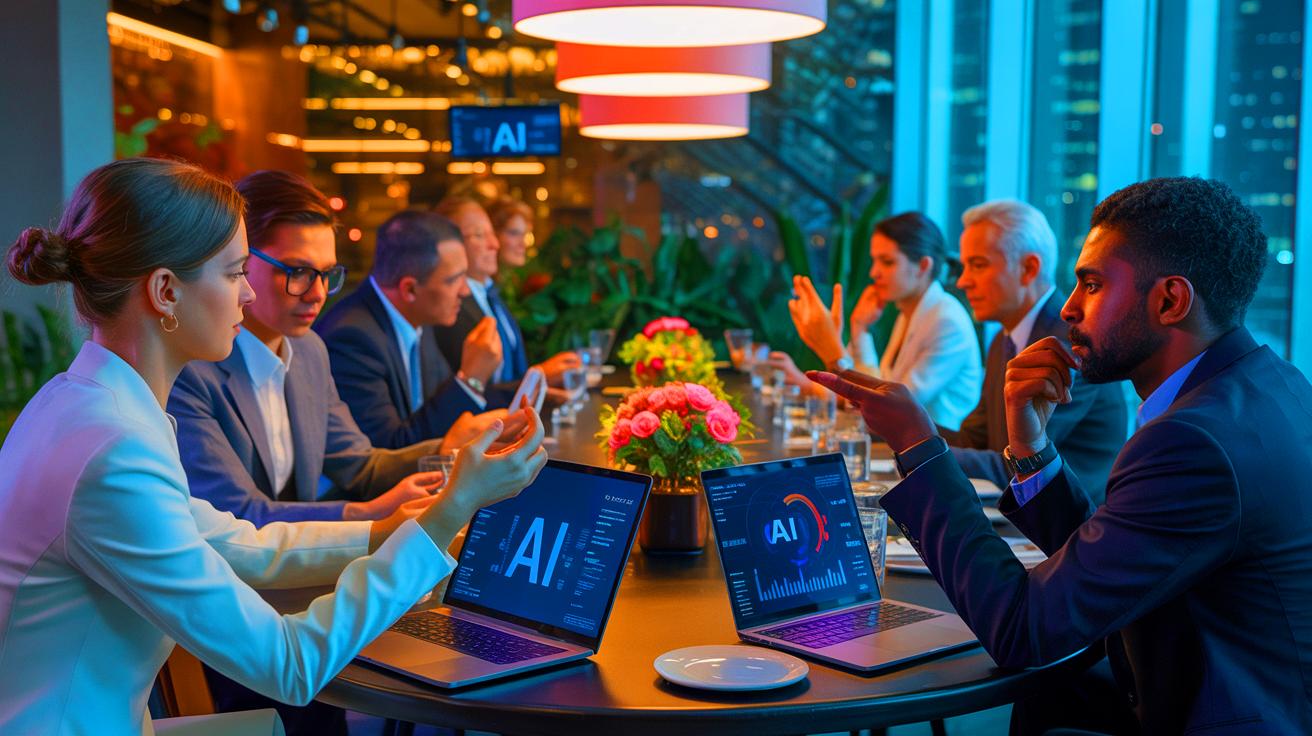
In the ever-evolving landscape of human resources, senior HR executives from consumer brands are gearing up for an exclusive gathering in New York City. This private dinner, hosted by Digiday and WorkLife, will provide a platform for industry leaders to engage in off-the-record discussions about the pressing challenges facing the workforce today. As artificial intelligence continues to permeate the business world, HR professionals are tasked with balancing technological advancements with human elements such as motivation and resilience. The dinner promises to be a thought-provoking event, shedding light on the complexities of modern workforce management.
The AI Dilemma: Performance vs. Productivity
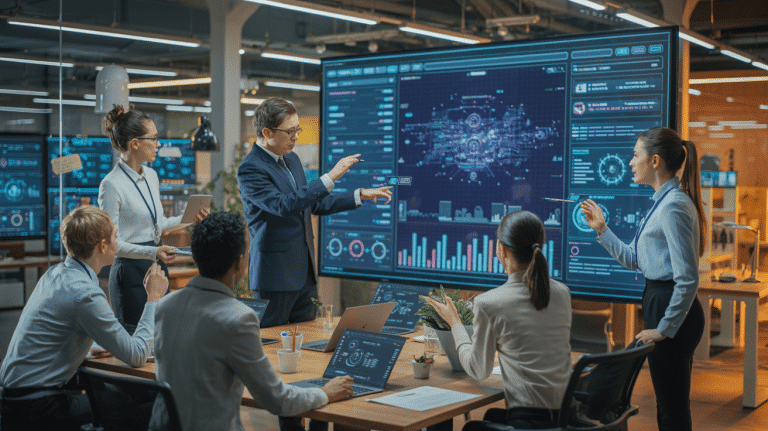
Artificial intelligence (AI) has been heralded as a transformative force in the workplace, promising to enhance performance and productivity. Yet, despite significant investments in AI and upskilling initiatives, many organizations report lagging performance metrics. This paradox will be a focal point of discussion at the upcoming HR Leaders Dinner. Industry leaders are questioning why technology alone is not delivering the expected outcomes.
The answer may lie in the human aspects of work that technology cannot replicate. Performance is not solely dependent on cutting-edge tools; it requires a motivated and engaged workforce. HR executives will explore how to balance the adoption of AI technologies with the need to foster a culture of motivation and resilience. The conversation aims to uncover strategies to overcome this dichotomy and drive sustainable performance improvements.
Identifying and Addressing Human Bottlenecks
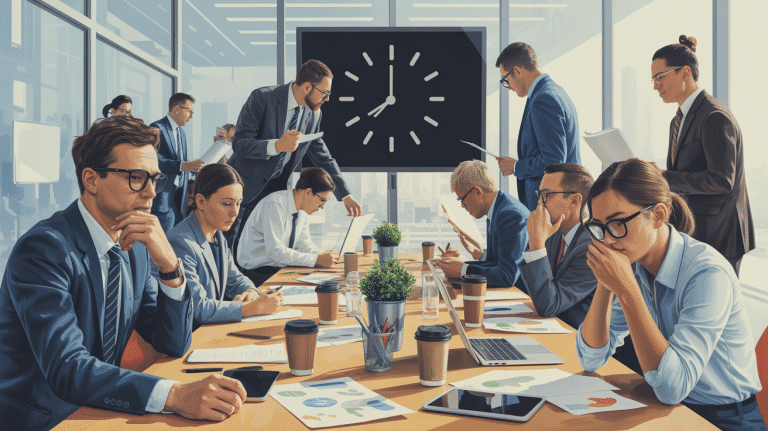
While AI can streamline processes and automate routine tasks, human bottlenecks remain a significant barrier to organizational efficiency. These bottlenecks often stem from outdated practices and ineffective communication channels. At the HR Leaders Dinner, executives will delve into strategies for identifying and addressing these human-induced obstacles.
Understanding the role of leadership and management in perpetuating these bottlenecks is crucial. By examining case studies and sharing experiences, attendees will seek to develop actionable solutions that empower employees and optimize workflow. This collaborative approach is expected to yield insights into breaking down barriers and fostering a more agile and responsive workforce.
Rethinking Productivity Metrics
Traditional productivity metrics, such as output per hour or number of tasks completed, are increasingly being questioned for their relevance in today’s dynamic work environment. These metrics often fail to capture the nuanced aspects of creative and knowledge-based work. During the dinner, HR leaders will discuss the need for a paradigm shift in how productivity is measured and evaluated.
One area of focus will be the concept of “cognitive debt,” which refers to the mental burden employees carry when overwhelmed by tasks. This debt can impede innovation and long-term success. By exploring alternative metrics that prioritize cognitive well-being and creativity, organizations can better align their productivity assessments with the realities of modern work.
The Role of Motivation and Resilience
Motivation and resilience are pivotal factors in achieving sustainable performance. As organizations face unprecedented challenges, from remote work dynamics to rapid technological changes, fostering these qualities has never been more critical. The HR Leaders Dinner will provide a platform for executives to share insights into cultivating a resilient workforce.
Strategies for building resilience include offering continuous learning opportunities, promoting work-life balance, and recognizing employee contributions. By prioritizing these elements, organizations can create a supportive environment where employees thrive. The discussion will emphasize the importance of leadership in modeling resilience and motivating teams to excel despite challenges.
As HR leaders prepare to gather for this insightful dinner, the conversations promise to shape the future of workforce management. The event serves as a reminder of the intricate balance between technology and human elements in driving organizational success. As we navigate these complexities, one question remains: how can HR professionals effectively integrate technological advancements with the essential human qualities that drive sustainable performance?