




Our minds are like intricate forests filled with many trails: some familiar, some neglected, and others yet to be discovered. These mental pathways influence our decisions, emotions, and personal breakthroughs. Much like an explorer choosing which trail to take based on their destination or current mood, our mental routes shift depending on the challenges and growth we seek. Navigating these paths consciously is essential to unlock new potentials and enrich our life experience. Platforms like Mindvalley, Coursera, and Udemy offer courses to help us identify and expand these mental landscapes, while thought leaders such as Tony Robbins and Brené Brown provide insightful perspectives on harnessing our inner pathways for lasting fulfillment.
How Cognitive Mental Paths Boost Problem-Solving and Decision-Making
Cognitive mental paths form the foundation of how we think and reason. They include analytical, creative, and critical thinking routes that guide us through complex problems and decisions. Developing these pathways enhances our ability to dissect information, innovate, and evaluate situations from different angles.
- Analytical Thinking: Involves logical breakdown of problems, favored by scientists and engineers, allowing clear, step-by-step reasoning.
- Creative Thinking: Encourages novel ideas and unexpected connections, instrumental for innovators and artists.
- Critical Thinking: Challenges assumptions and biases, leading to well-informed judgments and improved problem evaluation.
- Integrated Problem-Solving: Combines all cognitive paths to adapt flexibly to complex challenges.
Courses from LinkedIn Learning and Skillshare offer structured approaches to cultivating these thinking routes, promoting mental adaptability. Recognizing your dominant style encourages balanced development, making you a more versatile thinker.
Examples of Cognitive Path Development in Action
Consider an entrepreneur leveraging creative thinking to envision new markets, while also applying analytical skills to assess financial viability. Or a student using critical thinking to challenge prevailing theories for deeper understanding. The blend of these paths strengthens adaptability, a vital skill for evolving personal and professional landscapes.
The Role of Emotional Mental Paths in Enhancing Relationships and Well-being
Our emotional mental paths, including empathy, emotional intelligence, and self-awareness, guide how we connect with others and manage our internal experiences. Nurturing these paths leads to healthier relationships and greater emotional balance.
- Empathy and Compassion: Promote deep understanding and connection, essential for effective communication.
- Emotional Intelligence: Enables managing one’s emotions and responding sensitively to others’ feelings, improving social interactions.
- Self-Awareness: Facilitates insight into personal motivations and behaviors, fostering intentional life choices.
- Emotional Regulation: Helps control impulsive reactions, promoting thoughtful responses in challenging situations.
Apps like Headspace and online guidance from Life Coach Spotter provide practical tools for enhancing emotional paths, enabling greater resilience and interpersonal harmony.
Case Study: Emotional Pathway Growth for Leadership
For instance, a team leader who develops empathy and emotional intelligence often creates a supportive environment, improving morale and productivity. This transformation reflects the tangible benefits emotional mental paths confer beyond individual well-being, extending into organizational success.
Spiritual Mental Paths as Anchors for Inner Peace and Purpose
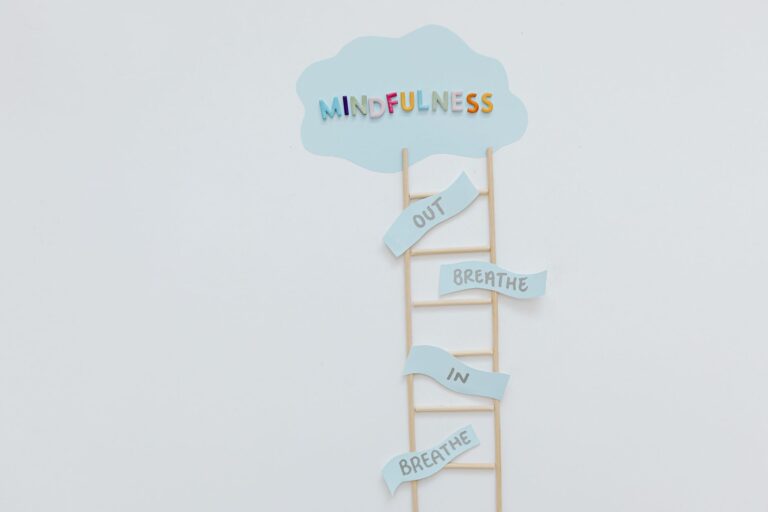
The spiritual dimension of our mental landscape involves mindfulness, transcendence, contemplation, and intuition, pathways that connect us with larger meanings and foster inner calm.
- Mindfulness and Meditation: Cultivate presence and reduce stress through attentive awareness.
- Transcendental Experiences: Connect to universal consciousness or higher power, enriching personal meaning.
- Contemplative Inquiry: Invites philosophical reflection on life’s greater questions.
- Intuition: Harnesses gut instincts to complement rational decision-making.
Programs offered by The School of Life and Coursera include comprehensive modules on these spiritual paths, supporting deeper personal development. Engaging in these routes fosters resilience against anxiety and promotes a grounded sense of self.
Spiritual Path Integration for Stress Management
Regular mindfulness practices, promoted by platforms such as Headspace, have been documented to lower cortisol levels and improve focus, illustrating how spiritual paths are integral to managing everyday stress and cultivating emotional stability.
Behavioral Mental Paths Transforming Intentions into Actions
The behavioral mental paths drive our daily actions by shaping habits, goal-setting strategies, adaptability, and self-discipline. Mastering these routes is crucial for turning aspirations into reality and sustaining long-term growth.
- Goal-Setting: Establishing clear, actionable objectives directs energy and measures progress.
- Habit Formation: Embedding routines automates positive behaviors for consistent improvement.
- Adaptive Behavior: Maintains flexibility in the face of changing circumstances and obstacles.
- Self-Discipline: Ensures persistence through challenges, acting as a motivational anchor.
Courses on Udemy and Skillshare guide learners through techniques that strengthen these behavioral pathways, enhancing productivity and resilience.
Success Stories: Behavioral Pathways in Personal Transformation
Take Mark, a creative professional who struggled with project completion. By integrating structured goal-setting and practicing self-discipline, he boosted his productivity without compromising creativity. Such examples highlight the transformative effect of developing diverse behavioral paths.
Integrating Mental Paths for Holistic Personal Development
The secret to profound personal growth lies in harmonizing various mental paths rather than relying solely on familiar ones. Self-awareness to identify dominant routes allows us to embrace less explored paths, fostering versatility in cognition, emotion, spirituality, and behavior.
- Explore diverse thinking modes: Push creative boundaries and sharpen critique.
- Enhance emotional competencies: Build empathy and regulate feelings.
- Cultivate spiritual connections: Engage in mindfulness and intuitive practices.
- Develop disciplined actions: Form constructive habits and embrace flexibility.
Platforms like Mindvalley and Life Coach Spotter offer integrated coaching to support this multifaceted growth, empowering individuals to navigate complexity with confidence.
Overcoming Challenges in Mental Path Exploration
Venturing down unfamiliar mental trails can be uncomfortable, but growth thrives beyond comfort zones. Embrace initial resistance as a sign of learning. Take Sarah’s journey as inspiration: transitioning from a purely analytical mindset to incorporating mindfulness and empathy significantly enhanced her well-being and leadership effectiveness.
Embrace the Ongoing Adventure of Exploring Your Mental Pathways
Each mental path enhances different facets of the self, cognitive, emotional, spiritual, and behavioral, contributing uniquely to personal mastery. The diversity of these pathways equips us to adapt, innovate, and connect in an ever-changing world.
- Identify and cultivate your dominant mental paths for focused growth.
- Challenge yourself to engage with less traveled routes to broaden perspective.
- Use resources from platforms such as Coursera, LinkedIn Learning, and Udemy for guided development.
- Learn from mentors like Tony Robbins, Brené Brown, and institutions like The School of Life for inspiration and insight.
Your mind, like an expansive forest with countless trails, awaits exploration. Embark on this lifelong journey with curiosity and courage, for each step forward unlocks new realms of potential and fulfillment.