




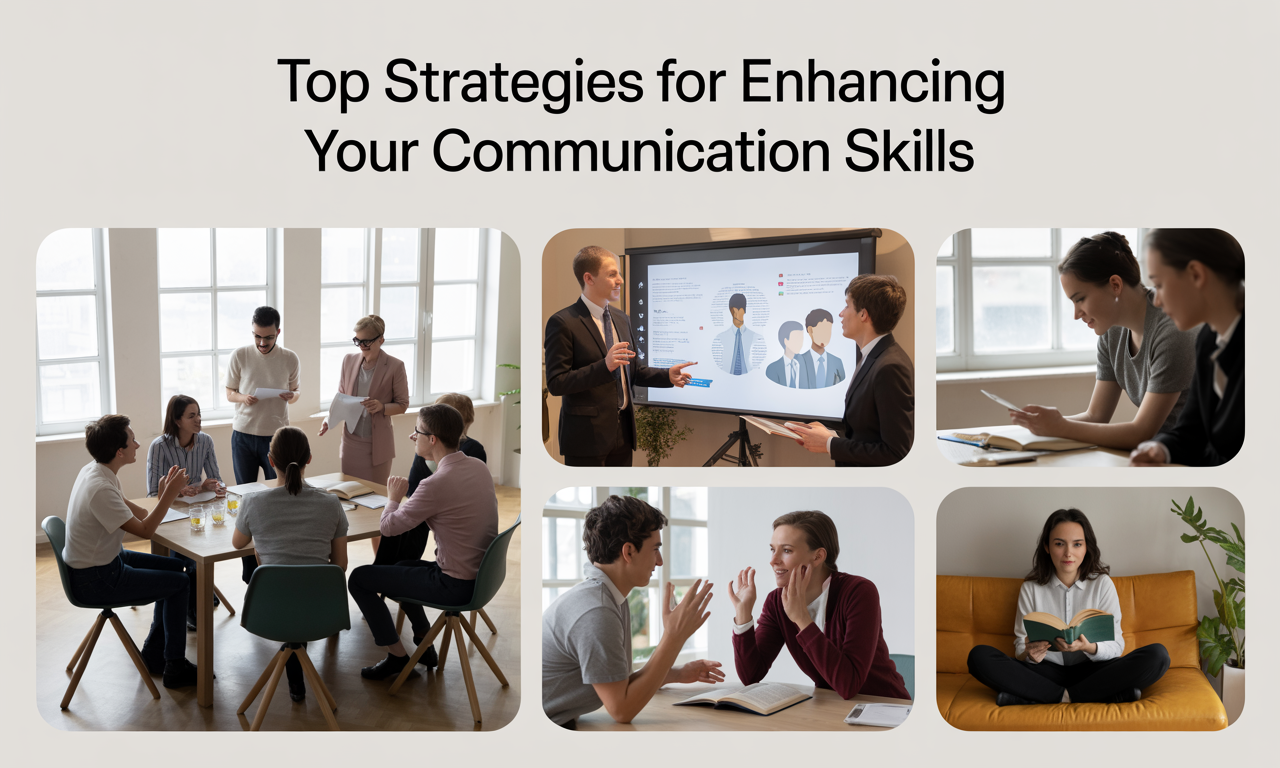
In today’s fast-moving professional and social arenas, mastering effective communication skills is more crucial than ever. Whether navigating remote teamwork, leading projects, or building connections across diverse teams, your ability to convey ideas and listen actively shapes relationships and achievements. In 2025, digital platforms intensify communication, making clarity and adaptability invaluable. Improving these skills isn’t just for managers or public speakers; every contributor—whether in-person, hybrid, or remote—thrives by honing how they speak, write, listen, and interpret nonverbal cues. Educational resources like Toastmasters, LinkedIn Learning, Coursera, Skillshare, Dale Carnegie, TED, Purdue OWL, MindTools, and influential works such as books by Dale Carnegie equip anyone keen to grow as a communicator. The journey doesn’t stop at technique—it’s about fostering a culture where feedback, empathy, and active participation are standard, ensuring teams function as agile, trusted units.
Developing Core Types of Communication Skills for 2025
Successful communicators understand the importance of different interaction modes, especially as organizational contexts shift. Whether leading a virtual workshop or writing an important email, multiple skillsets are essential for seamless information exchange.
- Oral Communication: Delivering messages clearly via presentations, meetings, or digital calls.
- Written Communication: Crafting concise, effective messages for emails, reports, and chat platforms.
- Nonverbal Communication: Using gestures, posture, facial expressions, and voice tone purposefully.
- Active Listening: Engaging fully with speakers, offering feedback, and avoiding distractions.
- Contextual Communication: Adapting to unspoken norms and workplace atmospheres for smoother exchanges.
Oral and Written Skill Enhancement: Tools and Real-World Examples
Improving oral and written interactions calls for structured practice and the right references. Platforms like Toastmasters provide ongoing public speaking challenges, while courses from LinkedIn Learning, Coursera, and Udemy guide users step-by-step in refining their messaging for different audiences. Managers report that concise communication in weekly check-ins often makes the difference between project alignment and confusion.
- Use Skillshare to practise business writing essentials.
- Refer to Purdue OWL for structure and tone guidance in emails.
- Watch TED Talks on effective communication for witnessing impactful delivery firsthand.
Strategies for Effective Workplace Communication
Teams that communicate well often outpace others in solving problems and adapting to change. As digital meetings and asynchronous collaboration grow, knowing how to tailor approach and language is fundamental. Leaders and contributors alike can apply strategies that elevate every interaction.
- Tailor messages to your audience—address colleagues’ interests and expertise directly.
- Keep it simple—avoid complex jargon or unnecessary detail.
- Choose the right delivery method—email for details, video calls for nuance.
- Encourage participation—invite feedback and questions during meetings.
Nonverbal Communication: The Unspoken Connection
Studies show nonverbal cues represent the majority of communication. Eye contact during in-person or video conversations demonstrates focus, while body language and facial expressions signal sincerity or attentiveness. Training through programs from Dale Carnegie or practicing techniques suggested by MindTools ensures these crucial aspects aren’t overlooked.
- Maintain open posture and eye contact to indicate engagement.
- Mirror positive gestures to establish rapport.
- Observe others’ cues for confusion or agreement, and adjust accordingly.
Sharpening Active Listening and Feedback Skills
Active listening transforms workplace dynamics by fostering trust and reducing costly misunderstandings. Instead of formulating a response while someone else speaks, dedicated listeners help clarify goals and encourage open conversation. Leading companies encourage this approach through feedback loops and coaching sessions.
- Paraphrase to confirm understanding—summarize main ideas without judgment.
- Ask strategic questions—invite deeper reflection or clarification (“What would success look like here?”).
- Interrupt, if needed, politely and constructively—focus on shared goals (“Let’s ensure everyone has a chance to contribute.”).
Continuous Improvement: Online Tools and Self-Reflection
Online communication offers flexibility but introduces challenges like missing cues and distractions. Efficient remote teams set time limits, recap action points, and confirm acknowledgment in chats. Courses from LinkedIn Learning and Coursera now emphasize digital etiquette and brevity. Regular self-assessment, using resources like MindTools or books by Dale Carnegie, keeps progress on track.
- Stick to clear agendas in virtual meetings.
- Summarize and document key points for future reference.
- Solicit feedback through quick surveys or team check-ins.
Extra Tips: Building a Communication-Driven Culture
Beyond individual skills, cultivating trust where everyone feels heard amplifies collective success. Adopting inclusive habits strengthens this foundation. Leaders can use public forums, mentorship, and feedback workshops inspired by Toastmasters or Dale Carnegie sessions to ensure all voices are valued.
- Foster approachability—keep tone friendly and body language open.
- Prioritize patience and empathy—recognize various communication preferences and respond thoughtfully.
- Rotate meeting facilitators—grow team confidence and promote diverse perspectives.
- Promote continuous learning—encourage enrollment in communication workshops or suggest highly rated TED Talks on related themes.
Key Resource Recommendations for Lifelong Communication Mastery
Personal and professional growth hinges on accessing the right knowledge. The following resources are widely acknowledged for fostering communication excellence:
- Toastmasters: Practise public speaking and leadership weekly.
- Coursera & LinkedIn Learning: Online courses covering business communication to digital storytelling.
- Udemy & Skillshare: Microlearning in professional writing, body language, and conflict management.
- Purdue OWL: Authoritative reference for grammar, structure, and tone in workplace writing.
- TED: Inspirational talks on communication fundamentals and real-world applications.
- MindTools: Practical guides and self-assessments for personal improvement.
- Books by Dale Carnegie: Timeless strategies on influencing people and building trust.
Adaptability, thoughtful listening, and continuous skill development ensure your communication remains impactful—no matter how the world evolves around you.