




| IN A NUTSHELL |
|
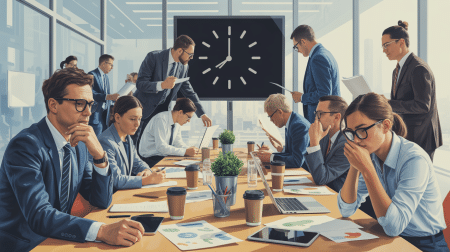
The modern workplace is undergoing a seismic shift. The traditional nine-to-five structure is giving way to flexible work arrangements, technological innovations, and evolving employee expectations. These changes have introduced a slew of new terms that capture the essence of this transformation. As companies navigate this evolving landscape, understanding these terms is essential for both employers and employees to adapt effectively.
Embracing Flexible Work Models
Asynchronous working is gaining traction as organizations recognize the benefits of allowing employees to work at their own pace. This model enables teams to collaborate on projects without the constraints of synchronized schedules. It offers employees the flexibility to balance personal and professional responsibilities more effectively. This shift away from traditional work hours is complemented by the rise of hybrid working models. Hybrid working provides employees with the option to work both from home and the office, allowing for a better work-life balance.
Another trend reshaping the work environment is the emergence of core hours. This concept involves employees being present in the office during specific hours, often determined by the team. It’s a flexible approach that accommodates personal commitments while ensuring team collaboration. Additionally, some companies are adopting core weeks, where employees gather in the office for a designated week each month to foster in-person collaboration. These models highlight the ongoing evolution of the workplace as it adapts to the needs of the modern workforce.
Challenging Traditional Office Dynamics
The concept of office peacocking has emerged as companies strive to make office spaces more appealing to employees. This involves transforming the physical workspace into an inviting environment that mirrors the comforts of home. Employers are rethinking office layouts to include collaboration zones, quiet areas, and recreational spaces. Such changes aim to entice employees back to the office while accommodating their varied work preferences.
In tandem with these physical transformations, there’s a growing emphasis on psychological safety within the workplace. This term refers to creating an environment where employees feel secure expressing their thoughts without fear of reprisal. By fostering open communication, organizations can encourage innovation and collaboration. The focus on psychological safety is particularly relevant as companies navigate the challenges of hybrid and remote work models, where maintaining a positive company culture can be more complex.
Navigating the Digital Transformation
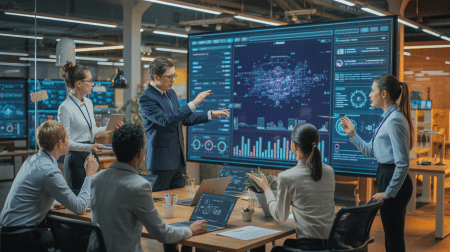
The integration of technology into the workplace has introduced new challenges and opportunities. Applicant tracking systems (ATS) have become instrumental in streamlining the hiring process. These AI-driven tools help organizations manage job applications effectively, ensuring that qualified candidates are identified quickly. However, the use of such technology raises questions about fairness and transparency in recruitment processes.
Another digital phenomenon reshaping work dynamics is the rise of shadow AI. This term refers to the unregulated use of artificial intelligence within organizations, often without the knowledge of IT or security teams. While shadow AI can lead to innovative solutions, it poses risks related to data security and compliance. Companies must strike a balance between leveraging AI for growth and ensuring responsible usage.
Reimagining Employee Engagement and Retention
Employee engagement has taken center stage as organizations strive to retain top talent. The role of an employee engagement manager is increasingly vital in ensuring a positive return-to-office experience. These professionals focus on creating a supportive work environment, whether employees work remotely or in the office. Their efforts contribute to fostering a culture of inclusivity and belonging.
Moreover, the concept of emotional proximity has gained prominence. This term describes the emotional connection between colleagues, regardless of physical distance. Building emotional proximity is essential for maintaining strong working relationships in a hybrid work environment. Employers are encouraged to prioritize initiatives that promote emotional well-being and foster a sense of community among employees.
As the workplace continues to evolve, organizations and employees alike face the challenge of adapting to new norms and expectations. The introduction of new terms and concepts reflects the dynamic nature of work today. How will these changes shape the future of work, and what further innovations can we anticipate in the years to come?


Is anyone else confused by all these new terms? Feels like I’m back in school! 😂
Office peacocking sounds like an unnecessary expense. Can’t we just focus on the work?
Asynchronous working is a game-changer for me! Thanks for highlighting this trend. 🙌
Is shadow AI as ominous as it sounds? Should we be worried about our jobs? 🤔
Loved the article! But, how realistic is it for all companies to adopt these changes?
Hybrid work models are the future. Traditional offices are overrated! 😎
Why do we need to rebrand everything with fancy terms? Just let us work in peace!
Thanks for the insights! I’m excited to see how these changes might improve my work-life balance.