




| IN A NUTSHELL |
|
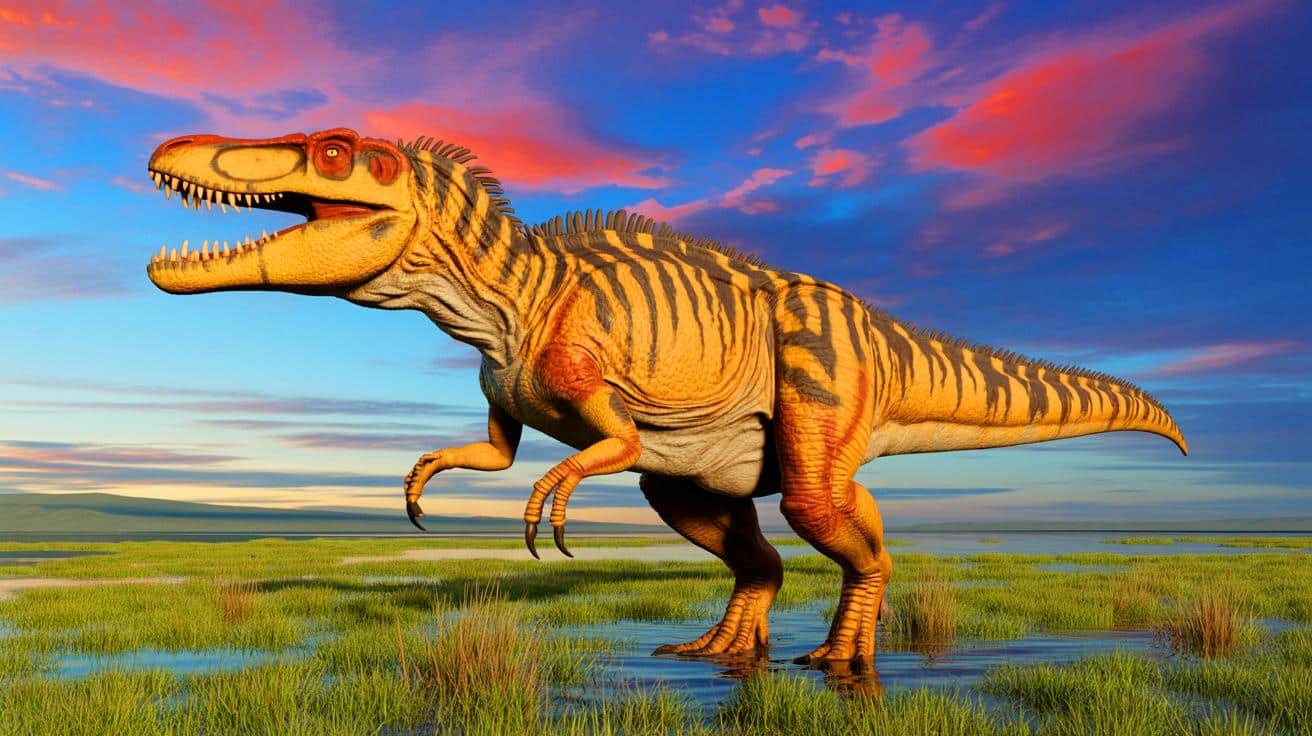
The discovery of a remarkably intact dinosaur fossil in Patagonia is reshaping our understanding of some of the last dinosaurs to roam the Earth. The newly unearthed species, Joaquinraptor casali, offers a rare glimpse into the lives of megaraptorans, a group of carnivorous dinosaurs that existed just before the catastrophic asteroid impact that ended the Cretaceous period. Weighing nearly a ton and stretching about 23 feet long, this predator was a formidable hunter. The find has intrigued scientists not only due to the fossil’s completeness but also because of the unexpected presence of a crocodile-like arm clamped in its jaws. This discovery opens a new chapter in dinosaur research, offering insights into the behavior, diet, and ecology of these ancient creatures.
Unveiling a Predator’s Anatomy
Megaraptorans, a family of long-armed carnivores, are noted for their unique physical traits. Joaquinraptor casali exemplifies these features with its thick, muscular upper arms and large, slightly hooked claws designed for tearing flesh. Unlike its relatives, this dinosaur had a notably robust humerus and a specially adapted ulna, suggesting it possessed significant strength in its forearms. These adaptations imply a predator that relied heavily on its arms for hunting and capturing prey.
The skull of Joaquinraptor, measuring approximately 28 inches, contained rows of curved teeth. Interestingly, these teeth were relatively small compared to the dinosaur’s overall size, indicating a hunting strategy that emphasized grasping and subduing prey rather than relying solely on its bite. The fossil’s growth rings reveal that the dinosaur was around 19 years old, suggesting it had reached sexual maturity but was not yet fully grown. These anatomical insights paint a picture of a highly specialized and efficient predator.
The Crocodile Connection
One of the most startling aspects of the Joaquinraptor find is the crocodile-like arm bone discovered lodged in its jaws. This evidence suggests that crocodiles were part of its diet, though whether it hunted or scavenged these reptiles remains uncertain. Teeth marks on the bone indicate a struggle, leading some experts to speculate that the predator might have met its end while attempting to consume its prey.
“The croc bone might give us our first clear indication of what they ate,” said Lucio Ibiricu, the study’s lead author. This find offers critical clues about the diet and hunting behaviors of megaraptorans, adding a new level of understanding to their ecological role during the Late Cretaceous period.
Ecological Role in the Late Cretaceous
During the Late Cretaceous, the environment of Patagonia was dominated by megaraptorids, contrasting with northern South America, where other predators prevailed. This regional difference highlights the phenomenon of “provincialism,” where distinct groups of dinosaurs thrived in different geographic areas. Joaquinraptor likely preyed on young titanosaurs and hadrosaurs, but the discovery of the crocodile arm indicates a more diverse diet.
The Patagonian floodplains where Joaquinraptor lived were characterized by hot, damp conditions with lagoons and rivers. This habitat allowed the megaraptorids to adapt to shifting environmental conditions over millions of years. Understanding these adaptations provides valuable insights into how ancient ecosystems functioned and how they might have responded to environmental changes.
Comparisons to Tyrannosaurs
Despite their similar predatory roles, megaraptorans and tyrannosaurs, such as the Tyrannosaurus rex, evolved distinctly different hunting strategies. While T. rex relied on its massive skull and powerful bite, Joaquinraptor’s smaller teeth and robust forearms suggest a different approach to capturing prey. This divergence highlights the evolutionary diversity among apex predators during the dinosaur era.
“It shows that there was more than one way to be an apex predator,” said paleontologist Matt Lamanna. This diversity of predatory strategies underscores the complex and varied ecosystems of the Late Cretaceous, emphasizing the adaptability of these ancient creatures.
The discovery of Joaquinraptor casali provides a crucial link in understanding the evolution of predatory dinosaurs at the end of the Cretaceous period. Its well-preserved skeleton sets a benchmark for comparing other megaraptoran fossils, helping to fill gaps in our knowledge of these enigmatic creatures. The insights gained from this fossil offer a window into the life cycles and ecological roles of megaraptorids, shedding light on how they may have adapted to their environments.
This research not only enriches our understanding of dinosaur evolution but also offers practical implications for studying modern biodiversity and ecological responses to environmental changes. As scientists continue to explore the past, the question remains: How can these ancient lessons inform our understanding of current and future biodiversity challenges?