



| IN A NUTSHELL |
|
In the evolving landscape of career development, the traditional methods of mentorship, performance reviews, and structured guidance are facing a formidable challenger, social media. Gen Z, the newest entrants into the workforce, are increasingly turning to platforms like TikTok, Reddit, and YouTube for career advice, reshaping what it means to succeed at work. A recent survey illuminates this trend, revealing that 63% of Gen Z workers have taken career cues directly from these platforms. The influence is so strong that nearly 1 in 4 have made the significant decision to quit their jobs based on what they encountered online. This shift poses new challenges and opportunities for HR leaders as they seek to understand and engage with this digitally native generation.
The New Mentor
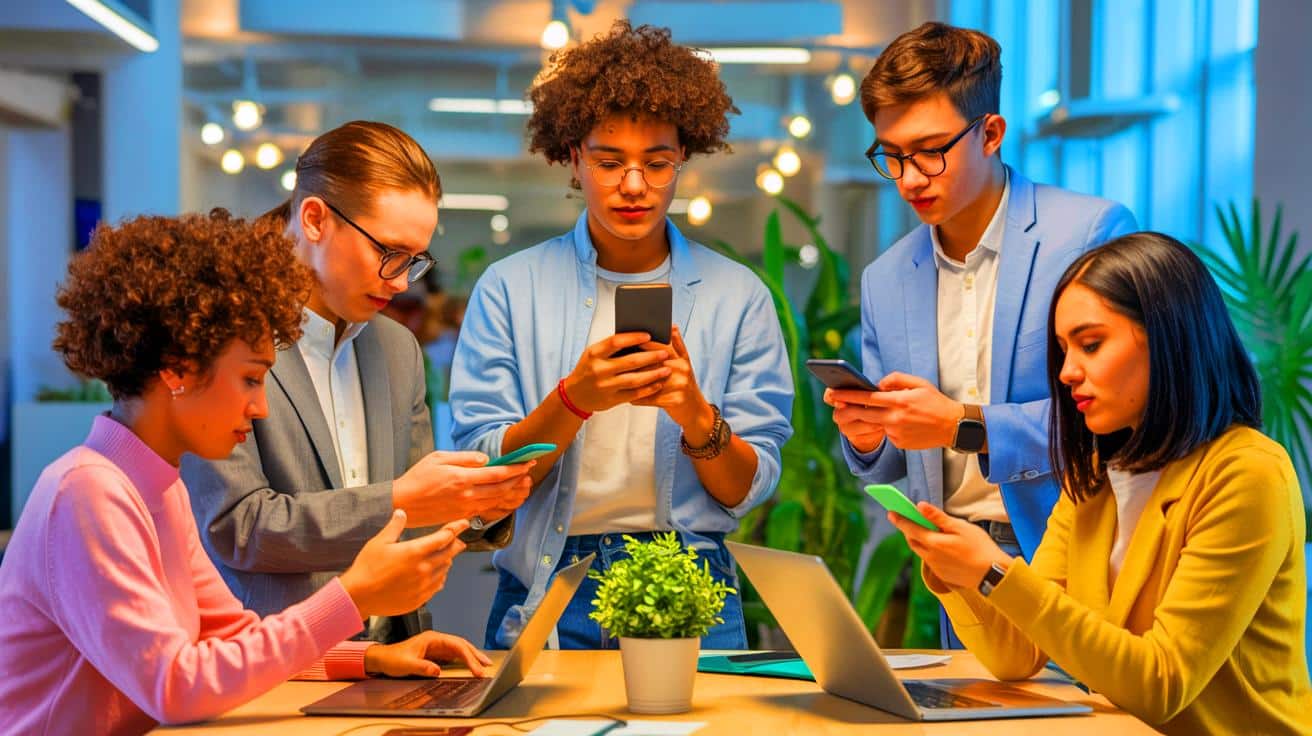
In a surprising twist, Reddit has emerged as the go-to career mentor for Gen Z, with 57% of respondents indicating its use for workplace advice. Close behind are YouTube and TikTok, capturing the attention of 44% and 37% of Gen Z workers, respectively. Unlike previous generations who might have sought advice through more formal channels, this cohort is obtaining actionable intelligence from their social media feeds. Key pieces of advice include setting firm boundaries at work, targeting specific job types, and rejecting unpaid labor.
The philosophy of “Act your wage” is particularly resonant among Gen Z, marking a significant departure from the ethos of previous generations who often viewed extra effort as a form of career investment. The platform preferences also reveal demographic nuances, with younger Gen Z workers gravitating more toward TikTok, while gender differences show men leaning toward YouTube and women showing a preference for TikTok.
Understanding the importance of soft skills in the workplace
Lofty Expectations
Social media’s impact is perhaps most evident in the lofty career expectations held by Gen Z. These workers anticipate substantial career milestones, like raises and promotions, within an accelerated timeframe. On average, they expect a raise after just nine months and a promotion within the first year. This isn’t just theoretical; it’s influencing real workplace behaviors across various industries. In sectors like food service, marketing, and technology, the timeline for expected advancement is even more compressed.
Gen Z has also established a hierarchy of workplace must-haves, with managers respecting boundaries and transparent pay structures at the top. These preferences highlight a shift toward valuing personal well-being and work-life balance, with remote work being a significant factor in job satisfaction. In fields like finance and technology, remote work is considered a non-negotiable aspect of employment.
Redefining Loyalty
The concept of employer loyalty is undergoing a transformation with Gen Z, as a third of this cohort does not see loyalty to their employer as a given. This is particularly pronounced in the tech industry, where the pace of change and innovation is rapid. The traditional expectation of staying with one company for an extended period is being replaced by a focus on personal growth and alignment with personal values.
Social media has become a vital tool for Gen Z, offering not just career advice but also a platform for sharing experiences and expectations. As a result, these young workers are more vocal about their desires for a workplace that respects their boundaries and aligns with their values.
Adapting to a New Reality
For HR leaders, the challenge is not merely about accommodating Gen Z’s expectations but understanding the broader cultural shift they represent. Gen Z isn’t just rejecting traditional career paths; they are actively redefining what success looks like in the modern workplace. As psychotherapist and leadership coach Angela Williams notes, the focus should be on evolving workplace culture to integrate personal well-being with business objectives.
Employers who wish to attract and retain young talent must consider how quickly they can adapt to this new reality. The question isn’t whether to engage with these changes but how to create environments where both personal and professional goals can coexist harmoniously.
As Gen Z continues to shape the future of work, the role of social media in career development will likely grow. This raises important questions for employers and HR leaders: How can organizations effectively integrate these digital influences into their practices? And what does the future hold for workplace dynamics as new generations continue to enter the workforce with evolving expectations?