



| IN A NUTSHELL |
|
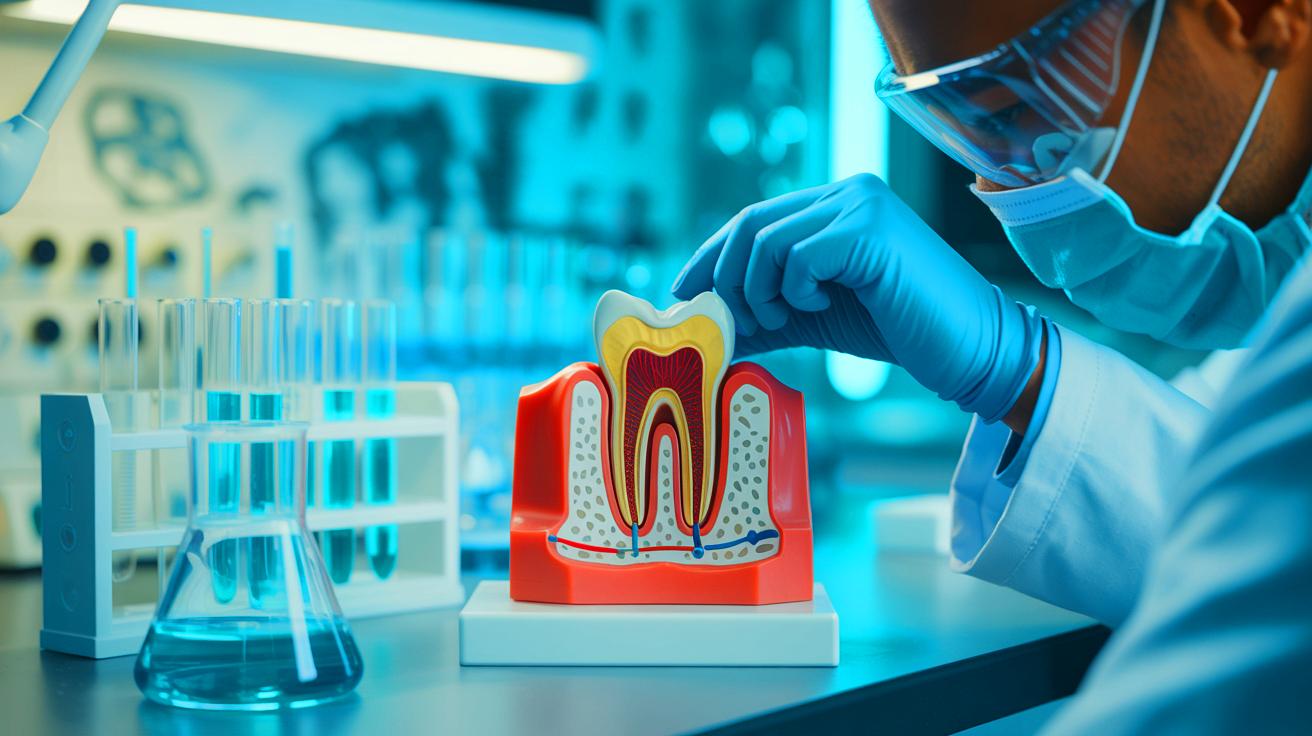
The dream of naturally regrowing teeth is nearing reality, thanks to groundbreaking advancements in genetics and regenerative medicine. For decades, scientists have sought a solution to tooth loss, typically addressed with dentures or implants. Recent research, particularly from Japan, is paving the way for treatments that could allow humans to grow new teeth. This development holds promise for millions affected by tooth agenesis, a condition where teeth fail to develop. The implications of such medical advancements stretch beyond dentistry, potentially influencing regenerative therapies in various fields.
Unraveling the Mystery of Tooth Agenesis
Tooth agenesis, where one or more teeth do not develop, is a key motivator for current research. This condition can significantly impact basic functions like chewing and speaking, leading to developmental challenges. Among the severe forms are anodontia, with no adult teeth forming, and oligodontia, missing six or more teeth. These conditions affect about one percent of the global population and are largely genetic. Scientists have identified several critical genes, such as MSX1, which play a pivotal role in dental development.
Genetic pathways, including bone morphogenetic proteins (BMPs), are crucial to both bone and tooth growth. Disruptions in these pathways can prevent the formation of tooth buds, resulting in permanent gaps. Environmental factors, such as nutrition and stress, also influence gene expression, complicating the condition. However, understanding these pathways provides a foundation for potential treatments, offering hope to those affected by tooth agenesis.
The Persistent Pursuit of Regrowth
Katsu Takahashi, a leading figure in this research, has dedicated his career to the dream of growing new teeth. His journey began in graduate school, driven by the idea of making this dream a reality. Takahashi’s work took him from dentistry to molecular biology, where he explored gene deletion studies in the United States. He discovered that certain genes, when removed, resulted in fewer teeth in mice, while others led to extra teeth.
In 2005, Takahashi’s team identified a protein, USAG-1, which limits tooth growth. This discovery laid the groundwork for a new approach to tooth regeneration. By developing an antibody to neutralize USAG-1, they achieved new growth in mice lacking teeth. This breakthrough marked a significant milestone in the pursuit of tooth regrowth, attracting global attention and highlighting the potential for human applications.
Advancements in Tooth Regrowth Therapy
The discovery of USAG-1’s role in tooth formation opened new avenues for therapeutic development. In 2018, Takahashi’s team created an antibody that inhibited USAG-1, resulting in new tooth growth in mice. Subsequent experiments in ferrets yielded similar results, with treated animals developing additional teeth. This suggested the activation of a latent “third set” of tooth buds, a phenomenon observed in some cases of hyperdontia.
These findings paved the way for TR035, a drug aimed at stimulating tooth regrowth in humans. Initial human trials will focus on adults missing at least one molar, assessing safety and tolerability. If successful, this would represent a historic advancement in dental medicine, offering a new option alongside traditional dentures and implants. The potential for TR035 to transform dental care is immense, providing a natural solution to tooth loss.
Potential Beyond Dentistry
While the primary focus is dental, the significance of this research extends beyond. The molecular signals involved in tooth growth also play roles in bone and skin development. Harnessing these signals could inspire therapies for bone injuries and wound healing, unlocking the body’s regenerative potential. However, challenges remain, as human dental biology is more complex than that of mice or ferrets.
To ensure success, researchers must demonstrate that new teeth are structurally sound and functional. Ethical considerations, particularly when treating young children, require careful clinical protocols. Despite these challenges, the field is optimistic. By integrating genetic knowledge with control over BMP pathways and USAG-1 inhibition, scientists are closer than ever to achieving tooth regeneration in humans.
Practical Implications and Future Outlook
The implications of successful tooth regrowth therapy are vast. Children with congenital tooth loss could regain normal functions without prosthetics. Adults could avoid dentures, restoring natural teeth lost to decay or injury. Beyond dentistry, the insights gained could revolutionize regenerative medicine, applying similar principles to heal other tissues.
If TR035 reaches clinics within the next decade, it could reshape dental care and influence broader medical fields. The ability to regrow teeth naturally would not only offer practical benefits but also inspire further innovations in regenerative therapies. As researchers continue to explore this promising frontier, the question remains: How will these advancements transform our approach to medicine and healing?