



City Dwellers Warn: “Neighbors Are Strangers Now” As Urban Life Speeds Up, Destroying Deep Human Connections
 By
Hina Dinoo
By
Hina Dinoo
| IN A NUTSHELL |
|
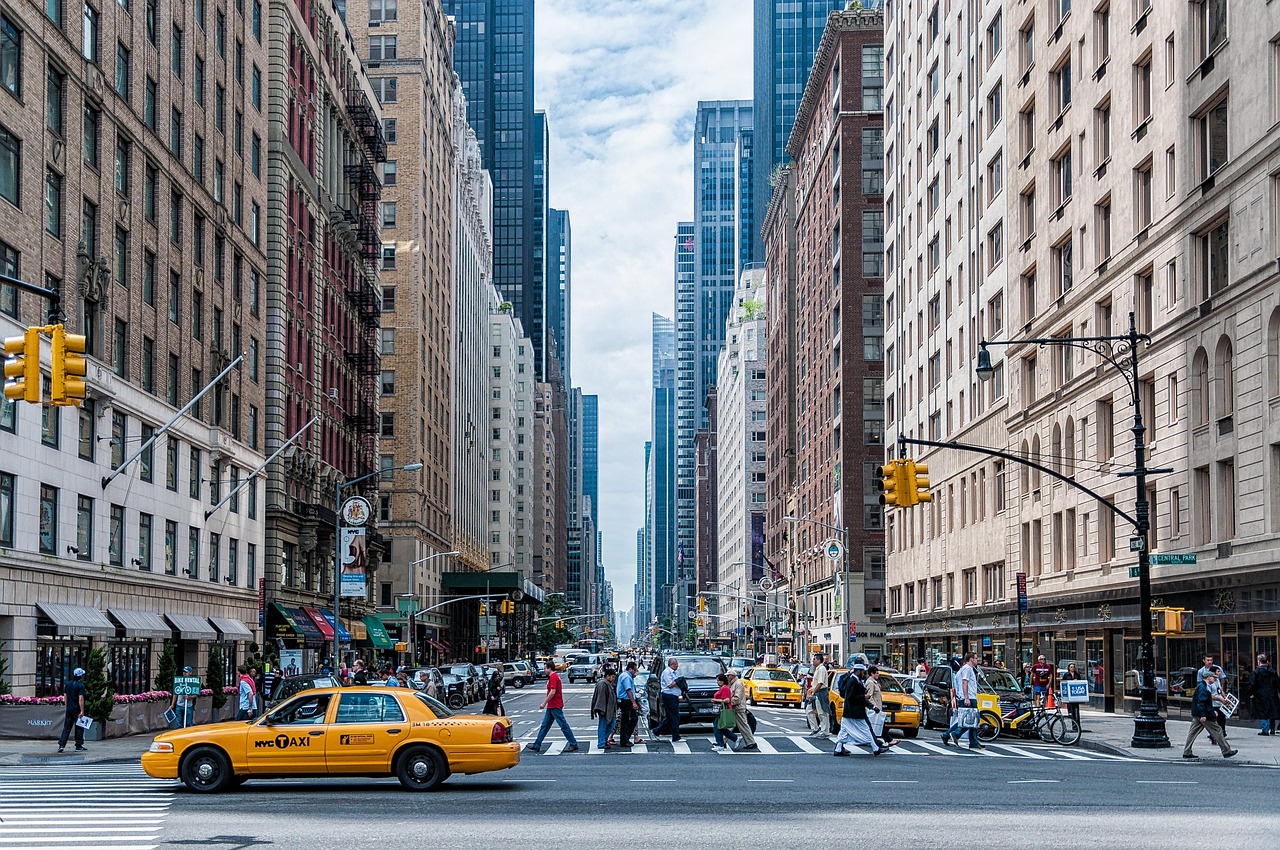
Urban life is accelerating at an unprecedented pace. Research indicates that people are not only moving faster but are also spending less time engaging with others in public spaces. This shift has been observed in major U.S. cities like Boston, New York, and Philadelphia, where pedestrians are walking quicker and lingering less. The findings are based on a comprehensive study that utilized decades-old video footage, updated with modern technology, to track changes in human behavior. As people speed through their daily routines, the essence of public spaces as areas for connection and interaction appears to be diminishing, raising critical questions about the future of civic life.
Accelerated City Life: A Shift in Public Space Use
In today’s urban environments, the rhythm of life has undeniably quickened. A recent study highlights a significant transformation in how people interact with public spaces. The research, conducted by a team from prominent institutions such as MIT and Yale, deployed artificial intelligence to analyze old and new video footage. The results showed a marked increase in the pace of life, with city dwellers now walking 15% faster than they did in 1980.
This acceleration is not just about speed; it reflects a fundamental change in social behavior. Public spaces, once vibrant with social interactions, now serve more as thoroughfares. People are spending about half as much time in these areas compared to a few decades ago. The decrease in group interactions is particularly noteworthy, with fewer people forming or joining groups in public spaces. This trend suggests a shift towards a more individualistic society, where public areas are used for transit rather than community engagement.
From Observation to Analysis: The Role of Technology
The transformation in urban life was uncovered through a unique blend of historical observation and cutting-edge technology. The study builds on the work of William Whyte, an influential urbanist who meticulously documented pedestrian behavior in the late 1970s. His footage captured social interactions in iconic spots such as Bryant Park in New York City and Chestnut Street in Philadelphia.
In a modern twist, researchers revisited these locations with cameras to collect new data, mirroring Whyte’s original methods. They used AI models to analyze the footage, evaluating factors such as walking speed and social interactions. The results confirmed that city life has changed in subtle but significant ways. The use of technology not only provided empirical evidence of this shift but also highlighted the potential of AI in urban studies. The findings point to a growing preference for digital communication over face-to-face interactions in public spaces.
Human Evolution Shocked by Dangerous Dietary Shift Experts Warn
The Impact of Digital and Indoor Spaces
Several factors contribute to the changing dynamics of urban public spaces. The rise of digital technology and mobile communication has significantly altered how people connect. In Whyte’s time, spontaneous meetings and conversations were common. Today, people often coordinate interactions via text messages, reducing the need for chance encounters in public areas.
Additionally, the proliferation of indoor social venues, such as coffee shops, has drawn people away from outdoor spaces. In the 1980s, public squares and park benches were natural gathering places. Now, the amenities offered by indoor venues, air conditioning, Wi-Fi, and comfortable seating, attract social interactions that once occurred outside. This shift has led to a noticeable decline in the vibrancy of public spaces, as people prefer the convenience and comfort of indoor environments.
Reimagining Public Spaces for Modern Life
The decline in public engagement poses challenges for urban planners and city officials. With people spending less time in public spaces, there is a growing need to rethink how these areas are designed and utilized. Should cities adapt to these changes or strive to revive public spaces as hubs of social interaction?
Researchers like Carlo Ratti are advocating for more data-driven approaches to understand and address these trends. Ratti’s team is currently expanding their study to include public spaces across Europe, aiming to gather insights on a larger scale. Their goal is to explore how urban environments can be redesigned to encourage social connections and community building.
Understanding the reasons behind the decline in public space use is crucial for revitalizing these areas as vibrant community hubs.
As cities continue to grow, ensuring that public spaces remain relevant and inviting will be vital. The challenge lies in balancing the fast pace of modern life with the need for places where people can pause, interact, and engage with their communities.
The study of urban life reveals a changing landscape where speed often outweighs connection. As digital communication and indoor venues reshape social interactions, the role of public spaces is increasingly questioned. Yet, the potential for these areas to foster community remains significant. The next step involves reimagining how public spaces can meet the needs of a rapidly evolving society. How can cities create environments that encourage both movement and meaningful interaction, ensuring public spaces remain vital components of urban life?