


“Blood Pours Like a River”: New Surge in Medical Breakthroughs Threatens to Revolutionize Emergency Care Across America
 By
Dana Whitcombe
By
Dana Whitcombe
| IN A NUTSHELL |
|
In recent years, the field of medical adhesives has seen remarkable advancements that could revolutionize how surgeries and trauma care are conducted. Scientists are developing bio-inspired adhesives that promise to outperform traditional sutures and staples, offering faster and more efficient solutions for wound closure. These innovative adhesives are designed to work in the challenging wet and dynamic environment of human tissues, potentially saving lives by stopping bleeding quickly and reducing recovery times. This article explores the groundbreaking research behind these medical glues, their potential applications, and the future of wound care.
Inspired by Nature’s Adhesives
Scientists have long looked to nature for inspiration in developing advanced materials, and medical adhesives are no exception. Researchers at MIT and the Mayo Clinic have taken cues from creatures that excel in sticking to difficult surfaces. A few years ago, a team at MIT developed a surgical tape inspired by spider silk, which uses sticky polysaccharides to adhere even in damp conditions. This design absorbs moisture and creates a dry area for adhesion, showing promise for closing surgical incisions.
More recently, researchers have turned to barnacles, which are known for their incredible ability to cling to rocks and other surfaces in the harsh, wet ocean environment. Barnacle glue relies on proteins that function like sticky hooks, suspended in a natural oil that displaces water and contaminants to allow the adhesive to bond to surfaces effectively. By mimicking this process, the team developed a biocompatible glue composed of medical-grade silicone oil mixed with engineered polymer microparticles. This combination allows the adhesive to form a tight seal on wounds within seconds, even in the presence of blood.
Rapid Response in Emergency Situations
One of the most significant advantages of these new bioadhesives is their ability to stop bleeding quickly, a critical factor in emergency medical situations. On the battlefield and in civilian trauma cases, rapid blood loss is a leading cause of death. Traditional methods, such as stitches and clotting patches, can be too slow, taking minutes to apply or activate. The new adhesive, however, has demonstrated its effectiveness in lab tests by sealing wounds in under 30 seconds.
In studies involving pigs, the glue successfully stopped liver bleeding and outperformed current commercial agents, even when blood thinners were used. The adhesive remains effective for weeks, allowing the underlying tissue to heal before it safely dissolves. If necessary, doctors can remove it using a special solution, leaving surrounding tissue unharmed. This flexibility makes the adhesive suitable for various medical environments, from hospitals to battlefields.
Innovative Adhesive Design
Another group of researchers has developed a bioadhesive that not only bonds instantly to wet tissues but can also be removed on demand, an elusive goal until now. This formula uses polymers like polyvinyl alcohol and poly(acrylic acid) combined with NHS ester. When applied, the material absorbs water and forms bonds with tissue, ranging from weak hydrogen bonds to strong chemical links.
The adhesive’s removable feature is activated by a mild solution of sodium bicarbonate and glutathione, which breaks the bonds without causing damage. This innovation allows surgeons to reposition adhesives or remove implanted devices without causing additional injury. Rat studies have confirmed the material’s biocompatibility, and tests with pig organs have shown successful sealing of lung leaks and safe removal from a beating heart.
“We are solving an adhesion problem in a challenging environment, which is this wet, dynamic environment of human tissues,” said Xuanhe Zhao, a professor at MIT.
The Future of Wound Care
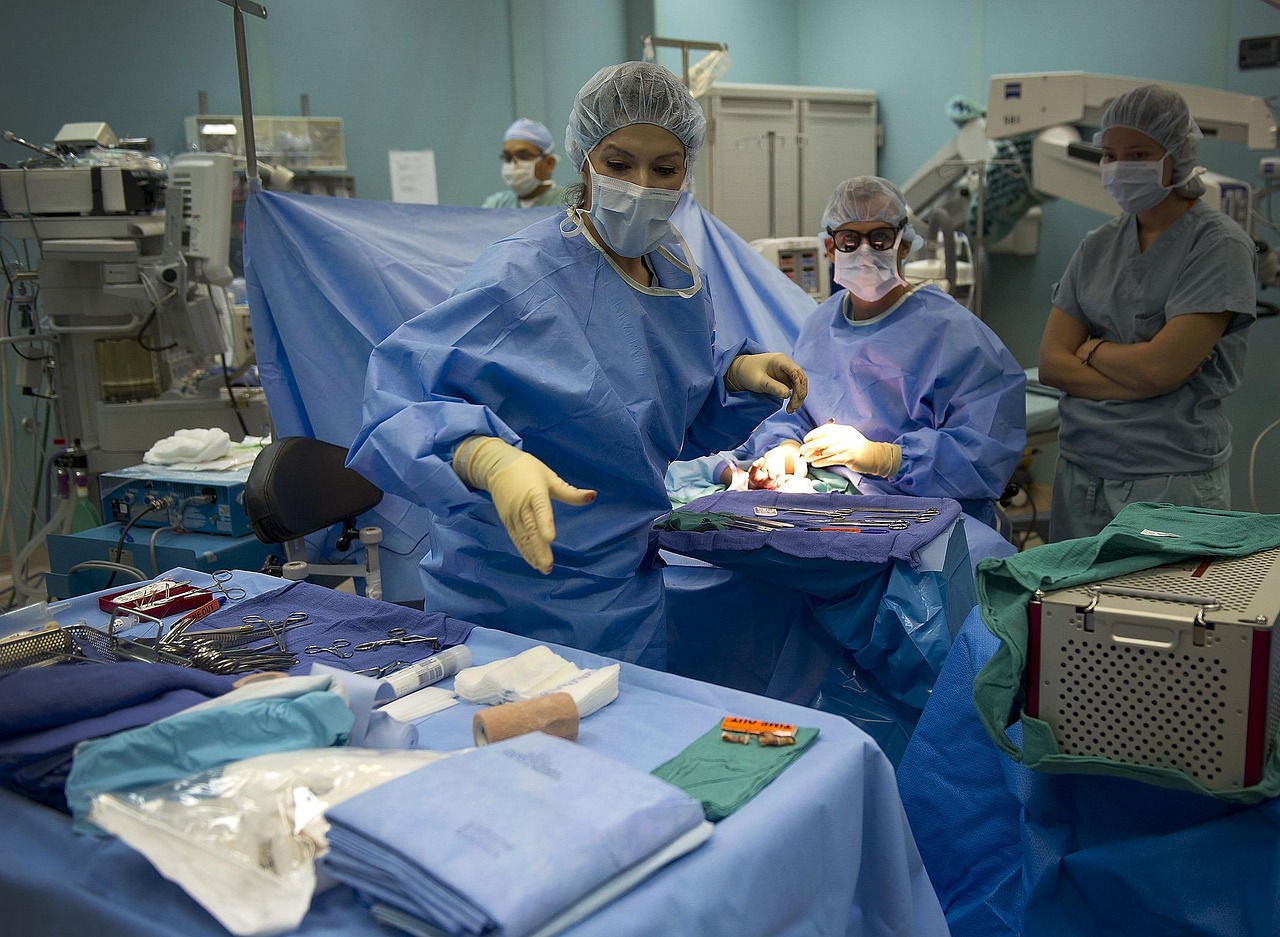
The potential applications for these advanced adhesives are vast. If successful in larger clinical trials, they could revolutionize emergency medicine. First responders might carry adhesive pastes capable of saving lives in seconds, while soldiers could receive immediate treatment for severe injuries on the battlefield. In surgical settings, these adhesives could reduce operation times and improve outcomes by providing stronger, more reliable seals than traditional methods.
In the long term, the technology could extend to everyday medical devices, enhancing how catheters and heart-assist machines are attached to the body. With millions of surgeries conducted each year, even small improvements in adhesive technology could significantly impact patient care, reducing complications and improving recovery times.
As researchers continue to refine these bio-inspired adhesives, the medical community eagerly anticipates their widespread adoption. The question remains: how soon will these innovative solutions become standard practice in hospitals and emergency care settings worldwide?